Tag: k-beauty, beauty industry analysis, consumer behavior,

  • 🌸 The Real Drivers of Skin Aging in 2026

    From “What You Apply” to “What You Eat and How You Choose”

    This article analyzes recent research and industry reports from early 2026 to explain how skin aging is increasingly shaped by diet, lifestyle, and consumer decision-making rather than skincare products alone.


    🧭 Introduction: Why Skin Aging Is No Longer a Vanity-Table Problem

    For decades, skin care was treated as a routine that began and ended at the bathroom mirror.
    However, research and reporting published in early 2026 clearly challenge this assumption.

    Recent findings on sodium intake and skin aging, dietary vitamin C absorption, and shifts in K-beauty retail driven by foreign consumers all point to the same conclusion:

    Skin reflects how we live before it reflects what we apply.

    In other words, the pace of skin aging is now better explained by daily habits, nutritional patterns, and product selection behavior than by the number or price of cosmetics used.


    🧂 1. The Most Overlooked Accelerator of Skin Aging: Excess Salt Intake

    Skin aging progresses gradually, which makes its causes easy to underestimate.
    Yet dermatologists and nutrition researchers consistently identify high sodium intake as one of the fastest ways visible skin damage appears.

    The World Health Organization recommends consuming less than 2,000 mg of sodium per day.
    In reality, average intake in both Korea and the United States exceeds this threshold by a wide margin.

    💧 How Excess Sodium Impacts the Skin

    When sodium intake remains high, several changes occur simultaneously:

    • Moisture balance is disrupted, leading to chronic dryness
    • Collagen synthesis is impaired, reducing elasticity and accelerating fine lines
    • Fluid distribution in blood vessels shifts, making skin appear swollen, dull, or uneven

    These effects are not cosmetic inconveniences—they directly influence structural skin aging.

    ⚠️ Sodium and Skin Conditions

    Research also links sodium intake to inflammatory skin conditions.
    Data shows that each additional gram of sodium consumed per day increases the likelihood of eczema aggravation by approximately 22 percent.

    As aging naturally weakens the skin barrier, excessive salt intake compounds this vulnerability.
    This makes sodium control a foundational component of anti-aging—not an optional lifestyle tweak.


    🍊 2. Why Eating Vitamin C Outperforms Applying It

    Vitamin C serums remain a winter skincare staple.
    However, recent research highlights a key limitation of topical application.

    The skin functions as a defensive barrier, making it structurally difficult for water-soluble vitamin C to penetrate deeply when applied externally.

    🧬 How Dietary Vitamin C Reaches Skin Cells

    Vitamin C consumed through food follows a different biological route.

    Human cells contain a specialized transporter known as SVCT (Sodium-dependent Vitamin C Transporter).
    This mechanism actively draws vitamin C from the bloodstream into cells—including skin cells.

    As a result, dietary vitamin C can reach the dermis more efficiently than topical forms.

    📊 Evidence From an 8-Week Clinical Study

    A controlled study conducted at the University of Otago in New Zealand provides measurable evidence.

    After eight weeks of daily consumption of vitamin-C-rich fruits:

    • Skin density increased by approximately 48 percent
    • Epidermal regeneration speed increased by roughly 30 percent

    These outcomes reflect structural recovery, not short-term surface effects.

    ⏳ Long-Term Investment, Not a Quick Fix

    Vitamin C is not stored in the body and is continuously excreted.
    This means benefits depend on consistent daily intake, not occasional supplementation.

    Researchers emphasize that dietary vitamin C works as a long-term anti-aging investment, strengthening the skin’s foundation rather than offering immediate cosmetic correction.


    🏬 3. How Skin Awareness Is Reshaping K-Beauty Retail

    Changing perceptions of skin health are also reshaping how beauty products are sold.

    Reports released in early January 2026 show that foreign visitors are increasingly purchasing from K-beauty specialty stores outside traditional chains.

    These stores emphasize selection over scale.

    🧠 Defining Features of the New K-Beauty Retail Model

    Emerging K-beauty stores share common traits:

    • Limited brand counts with concern-based curation
    • Focus on dermatological, outlet, or functional positioning
    • Strategic placement near cultural and tourist districts such as Bukchon, Samcheong-dong, and Gwangjang Market

    Rather than maximizing product exposure, these stores reduce choice overload and guide decision-making.

    🌍 Rising Demand From Foreign Consumers

    From 2018 to 2024, foreign spending on beauty and health products grew at an average annual rate of 19.1 percent, followed by a surge exceeding 40 percent in 2025.

    This trend suggests a shift from impulse buying to lifestyle adoption.
    Foreign consumers are not just purchasing K-beauty—they are adopting its underlying care philosophy.


    🧩 4. Conclusion: Skin Care in 2026 Means Total Management

    Viewed together, these studies and industry reports deliver a clear message:

    Skin aging cannot be slowed by a single product or ingredient.

    Effective long-term care requires:

    • Managing sodium intake
    • Maintaining consistent nutritional support, such as vitamin C
    • Selecting products through reliable, purpose-driven retail environments

    Only when these factors align does skin show stable, sustainable improvement.


    🌼 Key Takeaway

    Skin is an honest indicator.

    It responds less to what is applied today
    and far more to the habits repeated every day.

    This article is for informational purposes only and does not constitute medical or professional advice.

  • 🧊 In-Depth Beauty Damage Guide Across Winter Sports

    🌬️ Environmental Differences and a Step-by-Step Framework for Protection and Recovery

    ❄️ Winter sports expose the body to a combination of environmental stressors that rarely occur together in daily life.
    Low temperatures slow down skin function, strong winds accelerate moisture loss, dry air weakens the skin barrier, ultraviolet rays reflect off snow and ice, and constant friction from clothing and equipment irritates the surface of the skin.

    🧠 While these stressors are common across winter activities, each sport affects the skin in a different way, depending on exposure time, movement intensity, altitude, and gear usage.
    This guide takes a closer look at skiing, winter running, hiking, and golf, examining how each environment creates distinct beauty-related damage patterns, and how that damage can be managed through a clear structure of pre-activity prevention → in-activity protection → post-activity recovery.


    ⛷️ Skiing & Snowboarding

    High-Altitude, High-Speed Exposure and Concentrated Skin Damage

    🏔️ Skiing and snowboarding create one of the harshest environments for the skin. High altitude lowers humidity, while strong downhill wind strips moisture from the skin at an accelerated rate. At the same time, ultraviolet radiation is intensified by reflection from snow, often reaching areas of the face that are not normally exposed during other activities.

    ⚠️ The most common beauty damage in skiing and snowboarding includes severe dehydration of the skin’s outer layer, increased risk of photoaging on the cheeks and lower face, localized irritation caused by tight goggles and helmets, and repeated cracking of the lips.
    The contrast between sweat buildup inside protective gear and immediate exposure to cold air further disrupts the skin’s balance, leaving it tight and vulnerable.

    🛡️ Before activity, skin benefits from hydration followed by a thin protective layer that slows moisture loss without creating heaviness. Lip care should be applied well before exposure, not as a reaction once damage has begun.
    During activity, blotting sweat instead of rubbing, replacing damp face coverings, and reapplying lip protection during breaks helps prevent irritation from turning into inflammation.

    🧴 After activity, recovery should focus on restoring balance rather than aggressive treatment. Lukewarm cleansing, immediate hydration, and barrier reinforcement allow the skin to recover overnight, while lips and scalp benefit from gentle, intensive care rather than exfoliation.


    🏃 Winter Running

    Repetitive Friction and Cumulative Internal Dryness

    🌫️ Winter running may appear less extreme, but its impact on the skin builds gradually. Cold air is inhaled directly, drying the area around the mouth and nose, while masks and neck warmers repeatedly rub against the same sections of the face. Because running is often done several times a week, even minor irritation can accumulate into persistent discomfort.

    ⚠️ Typical beauty damage includes cracking around the lips, redness and breakouts along the jawline, and a feeling of tightness that originates from internal dehydration rather than surface dryness. Sweat produced during running cools rapidly afterward, worsening this internal imbalance.

    🛡️ Prevention before running should prioritize light hydration combined with friction-reducing protection, especially around the mouth area.
    During runs or rest periods, managing moisture inside masks and applying minimal hydration when tightness appears can prevent flare-ups.

    🧴 Post-run care is most effective when done immediately. Delaying moisturization allows dryness to set in deeper layers of the skin. Consistency is critical during weeks of frequent training, as recovery routines work best when repeated without interruption.


    🥾 Winter Hiking

    Long Exposure, Altitude Changes, and Circulatory Stress

    ⛰️ Winter hiking exposes the skin for extended periods, often combined with altitude changes and fluctuating temperatures. Unlike short-duration sports, the damage here is progressive, increasing steadily as time passes.

    ⚠️ The most common issues include overall dehydration of the skin, swelling or tightness caused by circulation changes, and roughness on the hands and feet due to prolonged use of gloves and boots. Wind exposure further intensifies the sensation of tight, fatigued skin by the time hikers descend.

    🛡️ Before hiking, protection should emphasize lasting moisture rather than lightweight textures that disappear quickly. Hands and feet deserve attention before exposure begins.
    During breaks, hydration and lip care help reduce cumulative stress, while managing moisture inside gloves prevents excessive softening followed by cracking.

    🧴 After hiking, recovery should be gentle and immediate. Instead of aggressive exfoliation, softening and replenishing the skin allows natural repair mechanisms to function more effectively overnight.


    ⛳ Winter Golf

    Wide Skin Exposure and Hidden Photoaging Risk

    🌤️ Winter golf often underestimates skin stress. Despite cooler temperatures, the face, neck, and hands remain widely exposed for long periods, allowing ultraviolet radiation and wind to quietly accumulate damage.

    ⚠️ Common beauty concerns include dryness around the eyes, visible fine lines intensified by wind, pigmentation risks from UV exposure, and rough texture on the hands caused by repeated glove use. Because movement is intermittent, the skin experiences long periods of direct exposure without relief.

    🛡️ Preventive care should focus on exposed areas, ensuring that protection lasts without discomfort.
    During play, moisturizing the hands and maintaining lip care during breaks helps preserve skin comfort.

    🧴 After the round, recovery should address both dryness and environmental stress, extending care beyond the face to include the neck and hands.


    👨‍🦱 Men’s vs. 👩‍🦰 Women’s Routines

    Realistic Differences in Post–Winter Sports Care

    🧍‍♂️ For men, the most important factor is sustainability. After winter sports, fatigue often leads to skipped steps, so care routines must remain simple and repeatable. Dryness is frequently ignored, especially when shaving and outdoor exposure occur on the same day, leading to prolonged irritation. Lips and hands are commonly overlooked, despite being among the most vulnerable areas.

    🧍‍♀️ Women often approach post-activity care from a preventive and long-term perspective. Awareness of pigmentation and UV exposure remains high even in winter, particularly after skiing or golf. Recovery routines tend to extend into the evening, covering not only the face but also the neck and hands, where aging signs appear quickly after repeated exposure.

    🔄 The difference is not about who does more, but about direction and consistency. Men benefit from simplicity that supports repetition, while women prioritize comprehensive, cumulative recovery.


    🧠 Conclusion

    What Skin Really Remembers

    ❄️ Winter sports test the limits of the skin. Cold, wind, dryness, UV reflection, and friction each place stress on the body, and together they can overwhelm unprotected skin.

    ✅ Yet winter sports themselves are not the problem. The real issue is repeated exposure without management. When pre-activity prevention, in-activity protection, and post-activity recovery are respected as a structure, the skin proves far more resilient than expected.

    📌 Skin does not blame exercise.
    📌 Skin does not blame the cold.
    👉 It only remembers unmanaged repetition.


    💬 Reader Participation

    Your Experience Shapes Better Care

    🗣️ Everyone’s skin reacts differently to winter sports.
    Some struggle most with lips, others with recurring breakouts, and some feel the impact most strongly the day after activity.

    ❓ What has been your biggest skin concern during winter sports?
    ❓ Are there specific trouble areas that appear repeatedly after skiing or running?
    ❓ Which recovery habits have genuinely helped you?
    ❓ What is the hardest part of maintaining your routine?

    🧩 Shared experiences turn information into practical guidance. The more voices contribute, the deeper and more useful this conversation becomes.

    This article is for informational purposes only and does not constitute medical or professional advice.
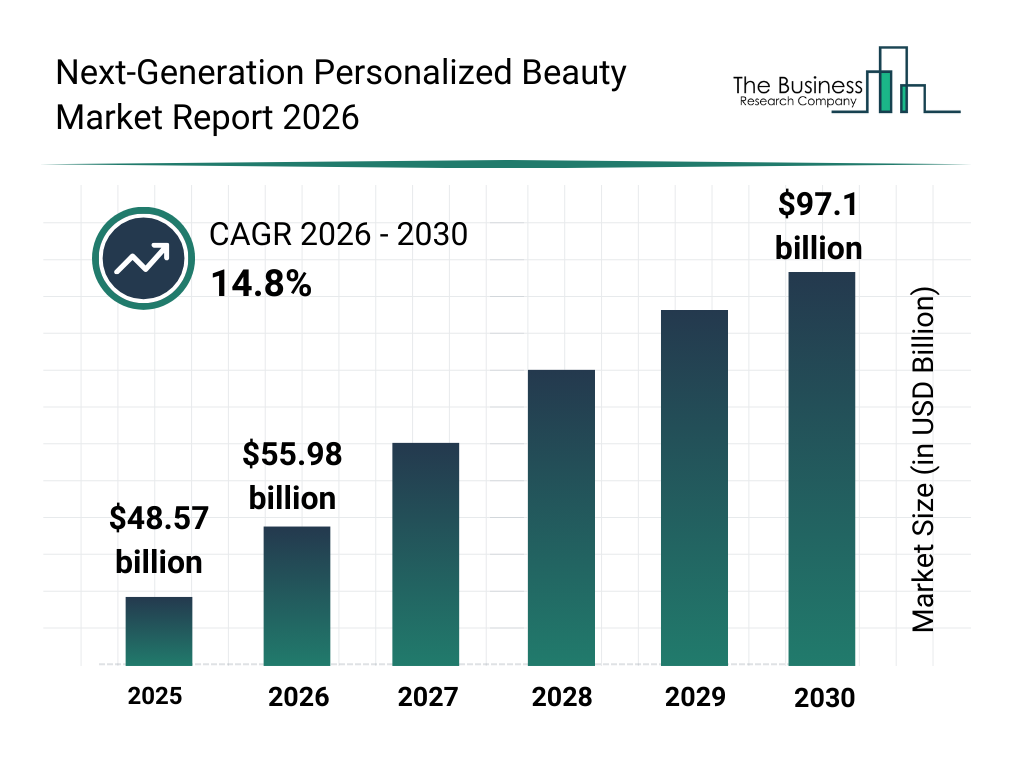
  • 🌾 From Rice & Grain Cosmetics to Expiration and Storage

    Recently, cosmetics made with rice, barley, beans, and fermented grains have been gaining renewed attention. At the same time, searches about cosmetic expiration dates, proper storage, and how to dispose of used products are also increasing. Rather than listing trending keywords, this article organizes the entire lifestyle surrounding grain-based cosmetics. It explains what to use, how long to use it, how to store it, and when to discard it as one continuous flow.

    ━━━━━━━━━━━━━━━━━━━━
    1️⃣ Why Rice and Grain Cosmetics Are Returning
    ━━━━━━━━━━━━━━━━━━━━

    Rice and grain-based ingredients are not a new trend but rather a reinterpretation of long-standing care practices. In the past, methods like washing the face with rice water were everyday habits meant to reduce irritation. Today, these practices are explained through concepts such as low irritation, barrier support, and long-term stability. The key point is that grain-based cosmetics do not aim for immediate visible change. Instead of exfoliating aggressively or forcing strong reactions, they support the skin’s ability to maintain balance. For this reason, usage duration and storage conditions have a greater impact on results.

    ━━━━━━━━━━━━━━━━━━━━
    2️⃣ Who Grain and Rice-Based Cosmetics Are Suitable For
    ━━━━━━━━━━━━━━━━━━━━

    Rice and grain-based cosmetics are generally suitable for skin that becomes easily dry with seasonal changes, skin with accumulated irritation, recovery phases after exfoliation, or periods when the skin needs rest after strong active products. On the other hand, those seeking immediate brightening, lifting, or exfoliating effects may feel less satisfied. Grain-based cosmetics function less as tools to “change” the skin and more as tools to “prevent breakdown.”

    ━━━━━━━━━━━━━━━━━━━━
    3️⃣ Expiration Date vs. Period After Opening: Why It’s Confusing
    ━━━━━━━━━━━━━━━━━━━━

    Many people confuse expiration dates with the period after opening. The expiration date refers to how long a product remains safe while unopened. The period after opening refers to stability after exposure to air, hands, and temperature changes. Even if a product has two years left before expiration, if its period after opening is six months, it is recommended to stop using it after six months. Products containing rice, grains, or fermented ingredients often use milder preservatives, making post-opening management especially important.

    ━━━━━━━━━━━━━━━━━━━━
    4️⃣ Storage Points That Matter More for Grain-Based Cosmetics
    ━━━━━━━━━━━━━━━━━━━━

    Rice and grain ingredients are sensitive to temperature and humidity. Bathroom shelves, window areas with direct sunlight, and spots near heaters should be avoided. The ideal storage location is a drawer or vanity area with stable temperature and no direct light. For jar-type products, washing hands before use alone can significantly extend product life. Refrigeration is not automatically beneficial. Repeated temperature changes can destabilize formulas, making room-temperature storage the basic rule.

    ━━━━━━━━━━━━━━━━━━━━
    5️⃣ Signs That Indicate You Should Stop Using a Product
    ━━━━━━━━━━━━━━━━━━━━

    Even if the expiration date has not passed, use should be discontinued if separation occurs, unfamiliar odors develop, color changes appear, or sudden stinging sensations are felt. Grain and fermented cosmetics tend to show spoilage signals more clearly due to their natural characteristics. Continuing to use a product “just a little longer” often leads to skin trouble.

    ━━━━━━━━━━━━━━━━━━━━
    6️⃣ How to Dispose of Used Cosmetics Properly
    ━━━━━━━━━━━━━━━━━━━━

    Cosmetic containers are often made of mixed materials. Even plastic containers may include pumps, springs, and silicone parts that require separation. Remaining product should be wiped out with tissue or paper towels before disposal. Glass containers should have labels removed and be disposed of as glass. Throwing away cosmetics with product still inside increases environmental burden, so proper cleaning before disposal is recommended.

    ━━━━━━━━━━━━━━━━━━━━
    7️⃣ Realistic Recycling and Reuse Options
    ━━━━━━━━━━━━━━━━━━━━

    Not all cosmetic containers are recyclable, but many can be reused as cotton swab holders, small organizers, or travel containers after cleaning. Grain-based cosmetic packaging often has simple designs that make reuse easier. However, reusing containers again for skincare is not recommended for hygiene reasons. In practice, repurposing them as household items is more realistic than full recycling.

    ━━━━━━━━━━━━━━━━━━━━
    8️⃣ Common Habits of People Who Use Grain Cosmetics Well
    ━━━━━━━━━━━━━━━━━━━━

    People who are satisfied with grain-based cosmetics tend to have clear management standards. They check expiration dates, remember opening dates, designate storage locations, and stop using products without hesitation when changes appear. They view cosmetics not as consumables to use up, but as tools for care. As a result, both their skin condition and consumption habits become more stable.

    ━━━━━━━━━━━━━━━━━━━━
    🌼 Conclusion
    ━━━━━━━━━━━━━━━━━━━━

    Rice and grain cosmetics are not good simply because their ingredients are gentle. They represent a lifestyle of care that includes usage, storage, and disposal. What matters is not using products for a long time, but using them appropriately for one’s skin and environment. As care details accumulate, the skin responds quietly.


    ⚠️ Disclaimer
    This content is for informational purposes only and does not replace professional, legal, medical, or financial advice.


    This article is for informational purposes only and does not constitute medical or professional advice.
  • 🌿 Is Your Gentle Skincare Actually Hurting Your Skin?

    The belief that “gentle skincare is always safe” has long been treated as a given. Lower stimulation is assumed to automatically benefit the skin. Structurally, however, gentleness is not an absolute standard but a conditional one.

    1) Gentle does not mean no stimulation
    Gentle products do not imply zero stimulation. Most are designed around relatively lower intensity input. The issue is that skin does not remain most stable in a completely stimulus-free state. Skin builds rhythm through consistent input and repetition.

    2) Excessively low stimulation can disrupt skin rhythm
    Skin adapts best to predictable stimulation. When input becomes too weak or inconsistent, defensive responses lose their reference point. This can lead to heightened sensitivity or slower recovery, even when “gentle” products are used.

    3) Gentleness must be evaluated within context
    The same product can produce different results depending on season, frequency, layering order, and lifestyle environment. Applying the same level of gentleness across summer and winter, or indoor and outdoor-heavy periods, ignores structural differences. Gentleness is determined by usage conditions, not by the product alone.

    For years, “gentle skincare” has been positioned as the safest possible choice. Lower irritation, fewer active ingredients, and minimal stimulation are commonly assumed to equal healthier skin. This assumption is widespread, intuitive, and rarely questioned. However, when examined structurally, gentleness is not an absolute virtue—it is a conditional strategy.

    Skin is not a passive surface that simply benefits from the absence of stimulation. It is a responsive biological system that relies on rhythm, feedback, and adaptation. When gentleness is applied without context or adjustment, it can unintentionally destabilize that system.


    1) Gentle does not mean no stimulation

    “Gentle” products are often marketed as if they eliminate stimulation entirely. In reality, no skincare product is completely stimulus-free. Even water temperature, touch pressure, and application frequency create input.

    Most gentle formulations are better described as lower-intensity stimuli, not the absence of stimuli. The problem arises when users attempt to reduce stimulation indefinitely, assuming that less is always safer. Skin does not operate optimally in a vacuum. It requires repeated, recognizable signals to maintain barrier function and recovery cycles.

    Without consistent input, the skin loses its reference points. What appears to be protection can quietly become disorientation.


    2) Excessively low stimulation can disrupt skin rhythm

    Skin adapts best to predictable patterns. This includes cleansing routines, hydration cycles, and even mild exfoliation. When stimulation becomes too weak or irregular, the skin’s adaptive responses slow down.

    In such cases, users may experience paradoxical outcomes:

    • Increased sensitivity despite using “mild” products
    • Delayed recovery from minor irritation
    • A feeling that the skin never fully stabilizes

    These reactions are often misinterpreted as signs that the skin needs to become even gentler. Structurally, the opposite may be true: the skin lacks a stable rhythm to adapt to.


    3) Gentleness must be evaluated within context

    A key limitation of the “gentle is always safe” belief is that it ignores contextual variables. Skin does not respond to products in isolation.

    The same routine can behave very differently depending on:

    • Season (summer vs. winter)
    • Environmental exposure (indoor heating, outdoor activity, humidity)
    • Application frequency
    • Layering order
    • Lifestyle stress and sleep patterns

    Applying identical levels of gentleness across all conditions assumes that skin remains static. In reality, skin requirements shift continuously. Gentleness is therefore not a fixed product attribute but a relationship between usage conditions and skin state.


    4) K-Beauty focuses on structure, not softness

    K-Beauty is often misunderstood as a philosophy of extreme mildness. Structurally, it is closer to a system-based approach.

    Layering in K-Beauty is not about stacking gentle products blindly. It is a method of:

    • Distributing stimulation across steps
    • Observing real-time skin responses
    • Adjusting intensity gradually rather than eliminating it

    The objective is predictable reaction, not maximum softness. A stable skin response is prioritized over the absence of sensation. This distinction is critical and frequently overlooked outside structural skincare models.


    5) Stability comes from consistency, not minimal input

    Long-term skin stability is achieved through appropriate intensity applied consistently, not by continuously reducing stimulation.

    Skin responds more reliably to routines that:

    • Maintain similar input levels over time
    • Change gradually rather than abruptly
    • Respect adaptation cycles

    Constantly weakening routines can prevent the skin from completing its adaptive processes. In contrast, consistent, context-aware stimulation allows the skin to calibrate and recover more effectively.


    When Low-Stimulation Becomes Under-Stimulation

    Gentle skincare is not inherently safe.
    Skin requires predictable micro-stimulation to maintain barrier signaling.

    Over-simplified routines may reduce visible irritation while weakening long-term resilience.

    Signs of under-stimulation include:

    • Delayed recovery from minor stress
    • Increased reactivity to environmental changes
    • Texture dullness without dryness

    Skin stability emerges from regulated input, not absence of input.


    ⚠️ Disclaimer

    This content is for general informational purposes only and does not constitute medical advice. Individual skin conditions vary, and professional consultation may be required.


    🔗 Related Research

    This article is for informational purposes only and does not constitute medical or professional advice.

  • 🌸 Beauty Before K-Beauty

    The Structural Origins of Korean Beauty in Joseon

    Long before K-Beauty emerged as a global industry, Korea already possessed a coherent and internally consistent beauty system.

    Its foundations can be traced back to the Joseon Dynasty (1392–1897), a society deeply structured around Confucian ethics that shaped governance, daily behavior, and perceptions of the human body.

    Beauty in Joseon was not treated as a commercial category or a form of self-expression.
    It functioned as a moral, physiological, and social system, where appearance reflected one’s way of living rather than individual taste.

    Understanding this structure helps explain why modern K-Beauty emphasizes care, prevention, and balance rather than transformation.


    🕰️ 1) Beauty as Attitude, Not Appearance

    In Joseon society, beauty was not defined by outward perfection or visual impact.
    It was understood as an extension of character, health, and daily conduct.

    The human body was believed to be inherited from one’s parents, making excessive alteration or decoration a moral concern rather than a personal choice.
    To damage or overly modify the body was seen as a form of disrespect toward one’s lineage.

    Beauty, therefore, was not something to display.
    It was something accumulated gradually through disciplined living, moderation, and respect for natural form.


    🌿 2) Preservation Over Decoration

    Joseon aesthetics favored restraint over embellishment.

    Naturalness, cleanliness, and order were not only aesthetic ideals but also social virtues.
    Skin and hair were expected to remain intact and undamaged, rather than reshaped to meet external standards.

    This preservation-focused mindset framed beauty as something to maintain, not reinvent.
    Transformation was considered unnecessary—and often inappropriate.


    🧴 3) Skincare Before Cosmetics

    Although modern cosmetics did not exist, skincare as a daily practice was already systematized.

    Cleansing routines using rice water, grain-based powders, and gentle protective applications were common.
    The purpose was not to alter skin tone or texture, but to shield the skin from damage and imbalance.

    Structurally, this approach aligns closely with today’s barrier-focused, low-irritation skincare philosophy, where prevention takes priority over correction.


    🍚 4) Grains and Rice as Low-Irritation Systems

    Rice and grains were not regarded as “beauty ingredients.”
    They were everyday materials, integrated naturally into daily life.

    Rice water cleansing minimized irritation rather than aiming for brightness or instant radiance.
    This logic mirrors modern pH-balanced cleansing and gentle exfoliation, where the goal is skin stability, not dramatic change.

    The continuity lies not in the ingredient itself, but in the functional reasoning behind its use.


    🌱 5) Ginseng and Herbs as Recovery Logic

    Ginseng and herbal preparations were not expected to deliver immediate visual results.
    Their role was to support balance, resilience, and long-term vitality throughout the body, including the skin.

    This philosophy parallels modern antioxidant skincare and recovery-oriented routines, which prioritize cumulative benefit over instant effect.

    In both cases, beauty emerges gradually as a byproduct of sustained balance.


    🧴 6) Oils and Fermentation as Protection Systems

    Natural oils such as sesame and camellia oil were used to protect skin and hair from environmental stressors like wind, dryness, and seasonal change.

    Fermentation techniques enhanced absorption and reduced harshness, allowing materials to work with the body rather than against it.

    This structure connects directly to modern fermented ingredients and lipid-based barrier care, where the focus is protection, compatibility, and longevity.


    💇‍♀️ 7) Hair and Scalp as Lifelong Assets

    Hair was considered a vital, lifelong physical asset.

    Rather than frequent washing, protection through oils, careful brushing, and minimal disruption maintained scalp and hair health.
    Damage was avoided, not repaired.

    This logic aligns with today’s scalp care and hair loss prevention approaches, which emphasize maintenance and protection over aggressive treatment.


    🎨 8) Minimal Makeup With Social Meaning

    Makeup did exist in Joseon, but its use was highly contextual.

    It was reserved for ceremonies and formal occasions, and excessive use was often socially criticized.
    Makeup served a situational function, not personal self-expression.

    This approach resembles modern context-based product selection, where different routines apply to different settings rather than a constant, heavy aesthetic.


    🧘‍♀️ 9) Beauty as Wellness

    Skin condition was understood as a reflection of diet, sleep, emotional balance, and seasonal rhythm.

    Beauty was not isolated from life.
    It was an outcome of how life was managed, aligning closely with modern wellness concepts that link skin health to overall lifestyle.


    🌱 10) Structural Continuity Into Modern K-Beauty

    Key principles of modern K-Beauty—such as low irritation, layering, barrier focus, and preventive care—did not emerge suddenly.

    They represent a scientific reinterpretation of long-standing Joseon lifestyle aesthetics, translated into contemporary formulations and routines.

    What appears modern is, in structure, deeply historical.


    🌼 Key Takeaway

    K-Beauty’s global strength lies not in trends, but in structure.

    That structure—focused on preservation, balance, and long-term care—was already embedded within the Joseon lifestyle system centuries ago.


    ⚠️ Disclaimer

    This content is for general informational purposes only and does not provide medical advice.


    🔗 Related Research

    This article is for informational purposes only and does not constitute medical or professional advice.
  • 🌺 2026 K-Beauty Global Outlook: The Second Boom Led by the U.S. and Japan

    K-Beauty Global Outlook 2026 shows how the U.S. and Japan are reshaping global demand for Korean beauty through rapid adoption and strong consumer trends.

    K-Beauty Global Outlook 2026: The Second Global Expansion

    Why the U.S. and Japan Are Leading the 2026 Boom

    Key Product Categories Driving Global Demand

    Consumer Behavior Shifts in the Post-Trend Era

    What This Global Outlook Means for the Future of K-Beauty

    Key Product Categories Driving Global Demand

    For a closer look at how global consumers choose products, see our guide on 2025 Best Korean Toners for Glowing Skin.

    K-Beauty is entering a new growth phase as it expands beyond its former China-centric export structure.
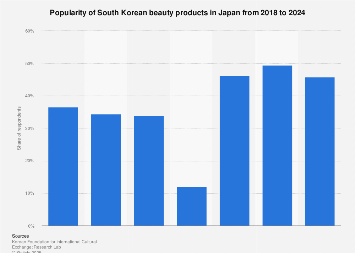
    By 2026, the United States and Japan have become the two most influential markets driving what many analysts call “the second global boom of K-Beauty.”

    This article summarizes publicly available market insights, social media trends, and category-level shifts shaping K-Beauty’s global trajectory.

    This shift marks a defining moment in the K-Beauty Global Outlook 2026.

    From an industry perspective, the K-Beauty Global Outlook 2026 highlights how structural demand—not short-term trends—is shaping long-term global growth.


    ⭐ 1. Key Shifts Defining the 2026 K-Beauty Global Landscape

    K-Beauty Global Outlook 2026 U.S. cosmetics market growth
    k beauty global outlook 2026 illustration

    🧴 1) The U.S. market is accelerating K-Beauty visibility

    • Rapid growth on Amazon, Ulta, Target
    • Review-driven platforms like TikTok boost discovery
    • Ingredient-focused brands (COSRX, Beauty of Joseon, TIRTIR) fit U.S. consumer preferences

    💗 2) Japan sees the fastest expansion in K-Beauty adoption

    • Strong acceptance in drugstores
    • Japanese consumers prefer gentle, functional formulas
    • Long-lasting success of TIRTIR, d’Alba, rom&nd

    🍃 3) Global demand diversifies beyond China

    • China remains important but no longer the sole growth engine
    • U.S., Japan, Southeast Asia now form a three-pillar demand structure

    ⭐ 2. Why 2026 Represents K-Beauty’s “Second Boom”

    k beauty global outlook 2026 illustration
    k beauty global outlook 2026 illustration

    ✔ Regulatory alignment with U.S. market expectations (MoCRA)

    The U.S. now prioritizes ingredient transparency and safety documentation—areas where K-Beauty already excels.

    ✔ Rise of “review-first consumption culture”

    Consumers trust real user experiences more than traditional advertising.
    K-Beauty’s lightweight textures and visible application styles perform well in this environment.

    ✔ Japanese consumer preference shifts

    Interest in “hydrating, mild, high-function formulas” aligns perfectly with Korean formulation trends.

    ✔ Diversified brand ecosystem

    Growth no longer comes from only major conglomerates;
    small and mid-sized digital brands are leading innovation.


    ⭐ 3. Why K-Beauty Performs Exceptionally Well in the United States

    1) Natural, skin-first aesthetic

    U.S. Gen Z prefers skincare-driven routines and subtle makeup—core strengths of K-Beauty.

    2) Amazon’s review culture

    • COSRX and similar brands gather hundreds of thousands of verified reviews
    • Competitive pricing + consistent performance = trust accumulation

    3) Fast formulation innovation

    K-Beauty updates formulas faster than many U.S. brands (months vs. yearly cycles),
    allowing quicker adoption of new textures and mild active ingredients.


    ⭐ 4. Why Japan Is Experiencing Its Strongest K-Beauty Wave Ever

    k beauty global outlook 2026 illustration

    ✔ Perfect fit with Japanese consumer needs

    • High portion of sensitive-skin users
    • Preference for moisturizing, brightening, low-irritation formulas

    ✔ Expansion in drugstores

    K-Beauty shelves continue to grow across major Japanese chains.

    ✔ Strong brand positioning

    • TIRTIR: long-wear foundation, high coverage
    • d’Alba: brightening + premium minimalism
    • rom&nd: perfect color adaptation for Japanese skin tones

    ⭐ 5. The Competitive Structure of K-Beauty in 2026

    k beauty global outlook 2026 illustration
    k beauty global outlook 2026 illustration

    🧴 Local brands benchmark K-Beauty

    U.S. and Japanese brands are adapting Korean-style ingredient strategies.

    🧴 Rise of beauty-device + skincare hybrid ecosystems

    Brands like APR and LG Pra.L are creating full home-care routines combining devices + cosmetics.

    🧴 Strengthening of ODM and ingredient suppliers

    Korean raw material and formulation companies (e.g., Cosmax, Kolmar, SBT) increasingly partner with global brands.


    ⭐ 6. Conclusion: K-Beauty Is Entering a New Structural Uptrend

    2026 is not simply another year of recovery—
    it represents a strategic shift in how K-Beauty grows globally.

    Key signals:

    • The U.S. and Japan now serve as stable, high-potential anchor markets
    • Social platforms amplify K-Beauty’s strengths in gentle, functional textures
    • Korean brands innovate faster than many global competitors
    • ODM and ingredient science advance at a global level

    K-Beauty is evolving from a trend-driven category to a global reference standard for texture, formulation, and affordability.


    ⭐ Disclaimer

    This article summarizes general, publicly available information for educational purposes only.
    It does not make performance, medical, or functional claims about specific beauty products.

    To understand how these trends translate into daily routines, explore our K-Beauty Skincare Routine 2025.


    This article is for informational purposes only and does not constitute medical or professional advice.

  • 🌷 Daiso Beauty Products 2026: Best Budget Finds, Real Value & User Reviews

    Daiso Beauty Products 2026 trends show how a “₩1,000 shop” quietly became one of Korea’s most influential budget beauty channels. Instead of being seen as “cheap cosmetics,” many items are now treated as smart, low-risk picks that everyday consumers test and verify.

    This article looks at what Daiso beauty products actually do well in 2026 – based on shopper reviews, category trends, and public retail information – while staying away from exaggerated claims or medical promises.

    🌼 Introduction: What Is Daiso? (For Global Readers)

    Daiso is one of South Korea’s most popular lifestyle retail chains, well known for offering thousands of everyday items at very affordable prices. While it is sometimes compared to “dollar stores” in other countries, Daiso operates with consistent manufacturing standards, regular quality control, and a rapid product-turnover system.

    In Korea, Daiso has also become a surprising beauty destination, offering budget-friendly makeup tools, skincare basics, and accessories that often go viral on TikTok, YouTube, and Korean consumer forums.

    As a result, Daiso Beauty Products 2026 have become a meaningful case study in how affordability, accessibility, and user-verified performance influence modern K-Beauty trends.

    ⭐ 1. Why Daiso Beauty Products 2026 Trends Matter

    daiso beauty products 2026 budget k beauty store illustration

    🧴 Affordable alternatives with solid performance

    • Many Daiso items directly compete with mid-priced products in puffs, mascara, tools and basic skincare.
    • Shoppers often buy them “just to try” and then keep repurchasing.

    💗 Verified by user reviews, not heavy advertising

    • YouTube, TikTok and Korean forums are full of “dupe tests,” application demos and long-term reviews.
    • When a Daiso item performs well on camera, it spreads quickly without needing celebrity campaigns.

    🍃 Improved manufacturing and quality control

    • Large-scale ODM production and in-house quality checks mean fewer “hit or miss” products than in the past.
    • Packaging still looks simple, but performance is much more consistent.

    Overall, these K-Beauty budget trends show that Daiso Beauty Products 2026 are no longer a joke purchase but a low-risk way to experiment with beauty.


    ⭐ 2. Top Daiso Beauty Categories Loved by Shoppers

    🧴 Makeup puffs & foundation sponges

    • Frequently mentioned as “better than many mid-priced brands.”
    • Work well when used damp, giving smoother coverage and fewer streaks.
    • High repurchase rate in online reviews.

    🧴 Mascara & eye makeup

    • Very low price point, but often praised for smudge resistance and curl hold.
    • Ideal for daily makeup or as a backup product in a makeup pouch.

    🧴 Sheet masks & toner pads

    • Simple, hydrating formulas at extremely accessible prices.
    • Popular among students and younger shoppers who want quick moisture care.

    🧴 Beauty tools (rollers, massage tools, organizers)

    • Provide a “mini home-spa” feeling without major cost.
    • Often bought for fun first, but some users keep using them as part of a nightly routine.

    ⭐ 3. What Real Users Say: Strengths & Limitations

    💗 Common positive feedback

    • “Price-to-performance is much better than expected.”
    • “Good enough for daily use; I save my expensive products for special days.”
    • “Perfect for beginners or people who lose items often.”
    • Puffs and mascara are often recommended even to friends who usually shop in drugstores or department stores.

    🍃 Constructive or negative feedback

    • Some skincare items may feel basic or not suitable for very sensitive skin; users check ingredient lists carefully.
    • Limited shade ranges in color cosmetics.
    • Seasonal or limited-edition products can vary more in quality.

    These comments suggest that Daiso Beauty Products 2026 work best as everyday, low-risk items rather than as miracle solutions.


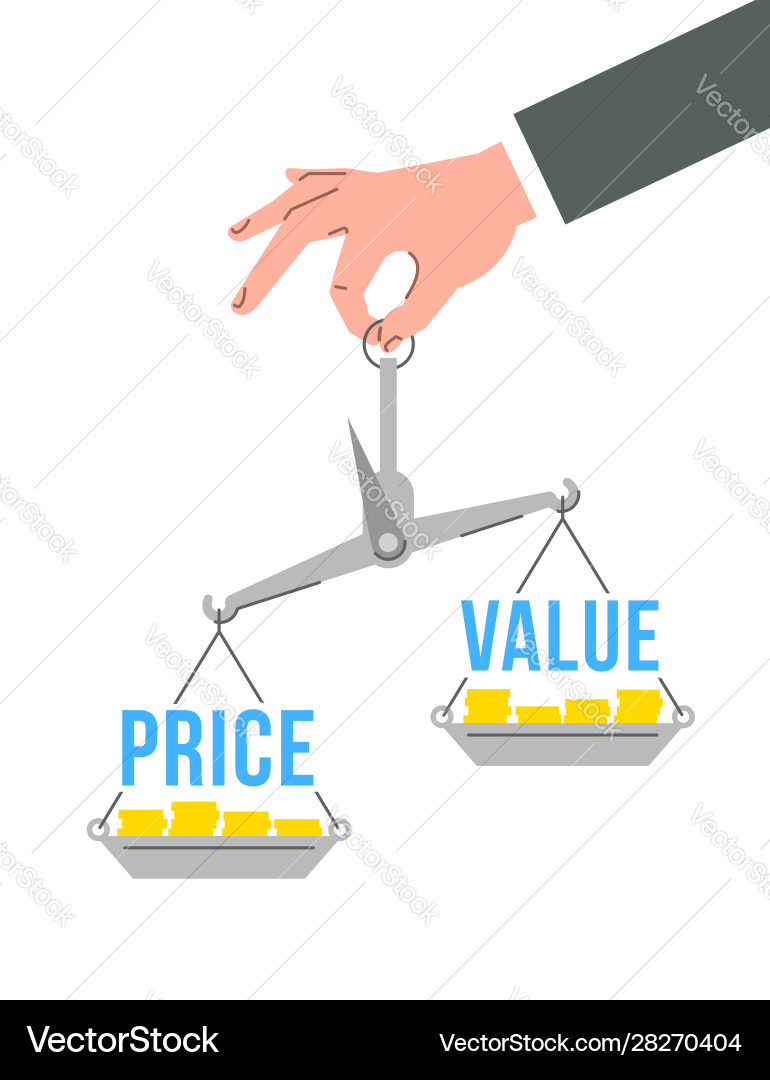
    ⭐ 4. Value Check: “Value for Money” vs “Feel-Good Purchase”

    daiso beauty products 2026 budget k beauty store illustration

    🧴 Clear value-for-money winners

    • Makeup puffs and foundation sponges
    • Everyday mascaras
    • Simple eyebrow pencils and eyeliners
    • Selected sheet masks and toner pads

    These are the products where many users say they stopped buying higher-priced alternatives because the performance gap was smaller than expected.

    💗 Feel-good / “treat yourself” items

    • Facial rollers and massage tools
    • Cute limited packaging items
    • Small perfumes, hand creams, or seasonal gift sets

    These purchases are more about enjoyment and design than pure performance, but still benefit from Daiso’s low price point.


    ⭐ 5. What Public Retail Data Suggests About the Trend

    daiso beauty products 2026 budget k beauty store illustration

    Public retail and IR materials indicate that:

    • The beauty category’s share of overall store sales has been steadily increasing in recent years.
    • Young consumers visit Daiso specifically to “look for beauty finds,” not just for stationery or household goods.
    • Social media buzz around certain products (especially puffs and tools) often coincides with noticeable sell-outs and restocking cycles.

    Instead of acting as a traditional beauty brand, Daiso functions as a testing ground where shoppers discover affordable tools and products, then decide what is worth keeping in their routine.


    ⭐ 6. Key Takeaways for 2026

    🧴 For budget-conscious shoppers

    • Puffs, mascara, and basic tools offer outstanding value.
    • Skincare items are best for simple hydration rather than intensive treatment.

    💗 For beauty enthusiasts

    • Daiso is a good place to experiment with application tools and organizers before investing in premium versions.

    🍃 For brands and marketers

    • Daiso’s success shows how user-verified quality + low entry price can reshape the image of budget beauty.
    • Many trends in K-Beauty now start at the mass level and move upward, not the other way around.

    For more general company information, please refer to the official Daiso corporate site.

    https://www.daisomall.co.kr


    Disclaimer

    This article is for general informational purposes only and does not provide medical advice, diagnosis, or treatment.
    Individual skin conditions and product responses may vary.
    This content is not sponsored by Daiso or any specific brand.

    This article is for informational purposes only and does not constitute medical or professional advice.

  • 🌺 APR Beauty Devices: Global Growth, Real-World Effects & 2026 Home-Care Trends

    K-Beauty 2026 Device Trends highlight how APR has reshaped the global home-care beauty market through technology, user experience, and product innovation.

    Home-care beauty devices have become one of the fastest-growing categories in the global beauty market from 2022 to 2025.
    Among all Korean companies, APR (medicube Age-R) has shown the strongest worldwide expansion, supported by viral social content, product diversification, and improved skin-tech safety.

    This article summarizes why home-care devices are booming, how APR became a category leader, what the real effects are, and how experts view safety, based on industry reports, global reviews, and technology data.

    “Overall, these insights demonstrate how K-Beauty 2026 Device Trends are shaping consumer expectations globally.”


    1) Why Home-Care Beauty Devices Are Growing

    k beauty 2026 device trends home care illustration

    1. Rising cost and difficulty of clinical treatments

    Dermatology procedures (laser, lifting, tightening) have become more expensive and less accessible.

    Consumers increasingly want professional-style results at home, without the time or cost burden.

    2. Social media “before & after” content

    Platforms like TikTok and Instagram fueled explosive interest, especially among U.S., Japanese, and Southeast Asian consumers.

    Real user outcomes — even mild improvements — create strong purchase motivation.

    3. Technology advancements

    Older at-home devices were often too harsh or inconsistent.
    Recent models improved control over:

    • Microcurrent
    • Radiofrequency
    • Ultrasound
    • LED wavelengths

    This made consistent, low-irritation home-care possible.


    2) APR (medicube Age-R) Global Growth Drivers

    k beauty 2026 device trends home care illustration

    1. Viral global demand

    Age-R posts and reviews repeatedly go viral on TikTok, YouTube, and Amazon review sections — especially in the U.S., Japan, and Southeast Asia.

    APR benefits from community-driven proof, not just advertising.

    2. Multi-device ecosystem

    APR succeeded by expanding across multiple skin concerns:

    CategoryKey Functions
    Lifting/TighteningRF, microcurrent
    Texture/PoresGalvanic, ultrasound
    Firmness/RegenerationLED + RF
    Scalp CareMicrocurrent / vibration

    This broad portfolio reduced dependency on a single hit product.

    3. Device + Ampoule strategy

    Consumers report higher satisfaction when using APR’s dedicated serums or ampoules along with devices.

    K-Beauty’s strong formulation science reinforces APR’s differentiation.


    3) What Effects Do APR Devices Actually Provide?

    Common positive experiences (global reviews)

    • Smoother skin texture
    • Temporary tightening or lifting sensation
    • Better absorption of skincare products
    • Pore visibility improvement
    • LED helping mild redness calming

    What dermatologists generally say

    • Consistent home use can offer mild but noticeable improvements
    • Not a replacement for medical procedures
    • Proper usage and intensity levels are important
    • Safe for most users when following instructions

    Areas of consumer confusion

    • Over-expectation from single-use sessions
    • Misinterpretation of “clinic-level results” (not accurate)
    • Some irritation cases linked to overuse or too-high intensity

    Overall conclusion:
    APR devices deliver light lifting, texture refinement, and enhanced absorption, when used correctly and consistently.


    4) Safety Overview (RF · Microcurrent · LED)

    k beauty 2026 device trends home care illustration
    k beauty 2026 device trends home care illustration
    k beauty 2026 device trends home care illustration

    RF (Radiofrequency)

    Used at significantly lower levels than clinical machines.
    Most APR devices hold standard safety certifications (KC, FCC).

    Microcurrent

    Operates at very mild currents similar to the body’s own bioelectric range.
    Users should simply avoid overuse.

    LED

    Low-level LED is widely considered safe for general cosmetic use.
    Red wavelengths are associated with calming and mild regeneration support.


    5) Outlook for APR in 2026 and Beyond — Based on K-Beauty 2026 Device Trends

    1. North America → Highest growth momentum

    TikTok Shop + Amazon demand continues rising.
    Consumers like pairing retinol + microcurrent/RF.

    2. Japan & China → Opportunity with regulatory easing

    Japan favors low-irritation devices.
    China remains strong in firmness, glow, and premium care.

    3. The rise of the “Home-Care Routine Ecosystem”

    APR is shaping a model where:

    device + ampoule + routine
    becomes a single ecosystem — not just a gadget.

    More global brands are expected to follow APR’s approach.


    ⭐ Conclusion

    APR is no longer just a device company — it is redefining the home-care category itself by merging K-Beauty formulation science with device technology.

    Key takeaways:

    • Offers mild but meaningful effects with consistency
    • Fueled by global user-generated content
    • Builds a multi-device ecosystem
    • Positioned strongly for 2026 global expansion

    Disclaimer

    This article is for general informational purposes only and does not provide medical advice, diagnosis, or treatment.
    Individual skin reactions and device responses may vary.
    Always follow product instructions and consult professionals if uncertain.

    ────────────────────────────

    This article is for informational purposes only and does not constitute medical or professional advice.

  • 🌸 Top Korean Beauty Products Loved by Global Travelers (2026 Edition)

    What different countries really buy – and why

    K-Beauty remains one of the most “planned purchases” for international visitors to South Korea. Beauty retailers, duty-free shops, and pop-up stores have become standard stops in many travel itineraries. While headline statistics are often repeated (for example, claims that a very high share of visitors buy cosmetics during their trip), the more useful insight for creators and brands is this: purchasing patterns are not universal. They vary by country, climate, cultural beauty ideals, and how shoppers evaluate ingredients, textures, and brand trust.

    This guide summarizes 2026-style buying behavior by region and explains the “why” behind each pattern. It is written for readers who want a practical picture of what travelers typically look for in Korea—without making medical claims or promising outcomes. Preferences and results vary by individual.


    How to Read This Report (Simple Method)

    • “What they buy” focuses on product types and formats that repeatedly show up in tourist shopping baskets: toners, serums, moisturizers, masks, cleansers, sunscreens, cushions, and a small set of premium anti-aging categories.
    • “Why they buy it” explains the decision logic: ingredient sensitivity, texture preferences, climate adaptation, gifting culture, and social-media influence.
    • “Where they buy it” highlights typical channels: multi-brand retailers (often the first stop), department stores and duty-free (premium sets), brand flagships (trend-driven buys), and online browsing with offline pickup.

    Where Global Visitors Usually Shop in Korea

    1) Multi-brand retailers (most common)

    Travelers often prioritize one-stop stores with broad selection, abundant testers, and easy tax-refund processes. Multi-brand chains and tourist-dense shopping zones typically become the first stop for “trial and basket building.”

    2) Duty-free and department stores (premium purchases)

    Visitors aiming for prestige skincare often prefer duty-free or department stores where gift sets, limited editions, and premium packaging reduce decision friction.

    3) Pop-ups and brand flagships (trend-driven buys)

    Pop-ups are where social proof matters most. Visitors frequently buy the product they already saw online, then add “in-store discovery” items after sampling textures.

    4) Online browsing, offline pickup (increasingly common)

    Many visitors browse online in advance and purchase in Korea to compare price advantages, obtain limited bundles, and avoid shipping delays.


    Country-by-Country Purchasing Patterns (2026)

    🇯🇵 1) Japan — Soothing, Sensitive-Skin, Low-Irritation Care (Plus Natural Base Makeup)

    What Japanese travelers often buy

    • Centella (Cica) and calming lines
    • Low-irritation toners and lightweight gel creams
    • Simple barrier-support routines (typically 2–4 steps)
    • Natural-finish cushion foundations with “soft coverage”
    • Sheet masks focused on hydration and comfort

    Why this pattern appears

    Japan’s mainstream skincare culture rewards consistency and comfort. Many shoppers prefer products that feel non-disruptive: low fragrance, gentle textures, and routines that do not “shock” the skin. Korean calming lines fit this preference because they often combine light textures with a routine-friendly approach—easy layering, quick absorption, and packaging that encourages daily use.

    Social influence also plays a major role. Korean centella/cica categories are frequently discussed in short-form reviews and ingredient-focused posts, making them a “safe travel purchase” that feels familiar before arriving in Korea.

    What travelers usually compare in-store

    • Toner texture: watery vs. slightly viscous
    • Moisturizer finish: fresh hydration vs. sticky residue
    • Irritation-risk cues: fragrance level, essential-oil presence, and “low irritation” positioning (not a guarantee)

    Commonly purchased brands (examples)

    COSRX, Anua, Mediheal, Laneige, TIRTIR


    🇺🇸 2) United States — Ingredient-Led Actives, Transparent Labeling, and Social-Media “Proof”

    What U.S. travelers often buy

    • Vitamin C brightening serums (often marketed as stabilized or beginner-friendly)
    • Low-irritation retinol products (positioned for gradual use)
    • AHA/PHA exfoliating toners and pads (especially “gentle” variants)
    • Multi-step kits and travel sets (to try a full routine)
    • Sunscreens known for comfortable daily wear
    • Tools/devices marketed for home-care routines (non-medical lifestyle positioning)

    Why this pattern appears

    In the U.S., the shopper journey often begins online. Many visitors arrive already knowing what they want because they saw it on TikTok, YouTube, or ingredient-education content. Korea becomes the best place to buy rather than the place to discover.

    Ingredient transparency is part of the value. Shoppers often look for clear INCI lists, straightforward positioning, and products that fit into existing routines. Broader regulatory discussions (including MoCRA) have also increased consumer attention to safety systems and labeling, strengthening the appeal of “trusted manufacturing and R&D” narratives.

    What travelers usually compare in-store

    • Active type and tolerance positioning: Vitamin C format, retinol strength messaging, exfoliant frequency guidance
    • Packaging practicality: pump vs. dropper; oxidation risk for Vitamin C
    • Routine compatibility: whether the product is designed to layer with other actives

    Commonly purchased brands (examples)

    Beauty of Joseon, COSRX, Medicube, Peach & Lily


    🇨🇳 3) China — Hydration + Glow, Premium Anti-Aging, and Giftability

    What Chinese travelers often buy

    • Hydrating essences and “glow” boosters
    • Premium anti-aging creams and serums
    • Firming and elasticity-focused products
    • Prestige sets and gift boxes (often duty-free bundles)
    • Cushion foundations with luminous finish and refined texture

    Why this pattern appears

    In this segment, premium positioning can be a feature, not a barrier. Glow aesthetics remain highly visible in Chinese beauty content, and many travelers favor products with strong brand identity, heritage storytelling, and department-store credibility.

    Giftability is also a major driver. Premium sets reduce decision fatigue: one box looks complete, premium, and travel-appropriate. This makes heritage Korean brands especially attractive in tourist channels.

    What travelers usually compare in-store

    • Brand tier and retail channel (department store vs. multi-brand store)
    • Set value and limited editions
    • Texture “luxury cues”: rich but not heavy, fast absorption, refined sensory experience (preferences vary)

    Commonly purchased brands (examples)

    Sulwhasoo, Hera, The History of Whoo, Laneige, Dr. Jart+


    🇦🇺 4) Australia — Clean Beauty, Vegan Positioning, and Minimal Routines (Climate-Driven Hydration)

    What Australian travelers often buy

    • Vegan or “clean beauty” positioned skincare
    • Barrier-support serums and moisturizers
    • Minimal routine products (2–3 step systems)
    • Hydration-focused masks for travel recovery
    • Gentle cleansers and non-stripping formulas

    Why this pattern appears

    Sustainability, ingredient clarity, and ethical positioning can be strong purchase motivators in Australia. Many shoppers look for products that feel responsible while still performance-oriented. Korea’s recent emphasis on labeling clarity and multi-benefit formulations aligns well with these preferences.

    Climate matters too. Dry conditions can increase interest in products that support moisture retention and barrier comfort. Visitors often select moisturizers and serums that feel supportive without being overly heavy.

    What travelers usually compare in-store

    • Vegan or sustainability claims (often checked later on brand pages)
    • Moisture feel: nourishing vs. heavy
    • Routine simplicity: whether one product can replace multiple steps

    🇸🇬 🇲🇾 5) Singapore & Malaysia — Lightweight Hydration, Pore Care, and Daily UV

    What Singaporean and Malaysian travelers often buy

    • Lightweight gel moisturizers
    • Sebum-control and pore-refining products
    • Sunscreens designed for daily wear
    • Quick-absorbing toners and essences
    • Makeup that holds up in humidity (light base, long-wear cushions)

    Why this pattern appears

    Hot and humid climates reward breathable products. Many shoppers avoid heavy creams and prefer gels, watery essences, and formulas that sit comfortably under sunscreen and makeup.

    K-Beauty is often viewed as strong in texture engineering—products that feel light yet still deliver a hydrated experience. Sunscreens are especially popular because comfort and wearability are critical for daily use in high humidity.

    What travelers usually compare in-store

    • Finish and feel: matte vs. dewy; non-sticky texture
    • Oil control positioning vs. dehydration risk
    • Sunscreen comfort and layerability (appearance and feel)

    A Practical Traveler’s Checklist (To Avoid Regret Purchases)

    1. Buy formats you can finish. Travel shopping is exciting, but overbuying leads to waste. Prioritize minis and sets for experimentation.
    2. Choose by texture first, then ingredients. Texture is the biggest “use it or abandon it” factor.
    3. Avoid stacking too many actives at once. If you buy Vitamin C, retinol, and exfoliants in one trip, introduce them gradually and avoid using everything immediately.
    4. Take photos of labels and keep receipts. This helps repurchasing and reduces confusion later.
    5. Build a “one routine” basket first. Cleanser + moisturizer + sunscreen is often a better travel foundation than buying multiple overlapping serums.

    Country-by-Country Summary Table

    Country | Preferred categories | Primary decision logic
    Japan | Soothing care, low irritation, natural base | Comfort, routine stability, gentle layering
    United States | Vitamin C, retinol, gentle acids, sunscreen | Ingredient transparency, social proof, routine compatibility
    China | Glow hydration, premium anti-aging, prestige sets | Premium positioning, giftability, brand loyalty
    Australia | Vegan/clean beauty, barrier support, minimal routines | Sustainability, clarity, climate-driven hydration
    Singapore/Malaysia | Gel hydration, pore care, daily UV | Humidity comfort, sebum management, lightweight wear


    Strategic Insights for Creators and Brands (2026)

    1. “Low irritation” is global—but it must be explained. Avoid promising results; explain usage, texture, and routine fit.
    2. Climate often matters more than trend headlines. Texture and comfort are climate-sensitive.
    3. Platforms shape demand before travelers arrive. For many tourists, Korea is the place to buy, not the place to decide.
    4. Tourists remain a critical growth engine. Tourist purchases often convert into repurchases when travelers return home and reorder online.

    FAQ (Tourist-Focused, AdSense-Safe)

    1. Are Korean products “better” than others? Not universally. Many prefer Korean textures and routine design, but fit depends on skin type, climate, and preferences.
    2. Should I buy the same products locals buy? Not always. Tourists often have different climate exposure and routine constraints. Use best-sellers as a starting point.
    3. Can I buy strong actives in Korea and use them immediately? Introduce new actives gradually and avoid combining multiple actives at once.
    4. Are home-care devices medical devices? Many popular items are positioned as lifestyle tools, not medical devices. Classification can vary by market.
    5. What is the most common regret purchase? Buying too many similar items (multiple toners, multiple masks) without testing texture preference.
    6. How do I pick sunscreen as a tourist? Prioritize comfort, layerability, and a finish you can wear daily. If possible, test a small amount in-store.
    7. Do premium brands guarantee better results? Price and premium positioning do not guarantee outcomes. Preferences vary.
    8. Should I trust “low irritation” labels? They can be useful signals, but they are not guarantees. Individual sensitivity varies.
    9. What if I cannot read the label? Take a photo and use a translator app, or ask staff for an English label card when available.
    10. How can I repurchase after returning home? Keep product names and photos, save receipts, and note where you bought them.

    References (External Sources)

    https://www.oliveyoung.com
    https://www.statista.com
    https://www.kotra.or.kr

    Disclaimer

    This article is for general informational purposes only and does not provide medical advice, diagnosis, or treatment. Individual preferences, skin conditions, and product responses may vary. This content is not sponsored.

    This article is for informational purposes only and does not constitute medical or professional advice.
  • 🌺 2026 Olive Young TOP Ingredients: The 7 Benefits Korean Consumers Truly Want

    In recent years, a recurring comment has appeared across Korean beauty communities:
    “Staff didn’t even approach customers.”

    This is not a service failure.
    It is evidence of a structural shift in how Korean consumers shop for beauty.

    By 2026, Olive Young customers are no longer looking for persuasion.
    They arrive with research already done, ingredient knowledge already formed, and expectations shaped by data, routines, and lived experience.

    Modern Korean consumers do not ask, “What should I buy?”
    They ask, “Which formula best fits my skin condition today?”

    This transition explains why ingredient-based decision-making now defines Olive Young’s top-performing categories.

    Below are the seven ingredient benefit groups that most clearly reflect what Korean consumers genuinely want in 2026—not based on hype, but on repeated purchasing behavior.


    1. 🌿 Soothing Ingredients

    Centella Asiatica · Madecassoside

    Why This Category Leads Olive Young Sales

    Soothing ingredients are no longer a “sensitive skin niche.”
    They have become a default baseline.

    Several structural factors drive this dominance:

    • Increased environmental stress (fine dust, seasonal temperature swings)
    • Higher rates of skin sensitivity across all age groups
    • Overexposure to actives in previous skincare cycles
    • Frequent cosmetic procedures among 20s–40s consumers

    Centella-based products are not purchased as treatment.
    They are purchased as insurance.

    What Consumers Expect

    🧴 Reduced redness and visible irritation
    🧴 Faster recovery after daily stress
    🧴 A feeling of comfort rather than stimulation

    Importantly, consumers do not expect instant transformation.
    They expect predictable stability.

    Soothing ingredients win because they rarely cause regret.


    2. ✨ Brightening Ingredients

    Vitamin C · Niacinamide

    How Brightening Has Changed in 2026

    Brightening no longer means whitening.
    It means clarity without irritation.

    Korean consumers now avoid:

    • Aggressive tone-up claims
    • High-percentage formulas with unstable results
    • Short-term brightness followed by rebound dullness

    Instead, they gravitate toward stabilized systems.

    2026 Brightening Preferences

    🍋 Vitamin C derivatives with reduced oxidation risk
    💧 Niacinamide at moderate, skin-compatible levels
    🧴 Products safe for use alongside treatments or procedures

    Consumer Goals

    • More even tone over time
    • Reduced appearance of pigmentation
    • A natural, rested complexion rather than visible brightness

    Brightening succeeds when it blends into routine, not when it demands attention.


    3. 🧱 Skin Barrier Care

    Ceramides · Panthenol

    Why Barrier Care Is No Longer Optional

    One of the most common self-described Korean skin conditions is:

    “Oily on the surface, dry inside.”

    This paradox has driven a widespread understanding of the skin barrier concept, even among non-expert consumers.

    Barrier damage is now associated with:

    • Makeup instability
    • Increased sensitivity
    • Poor response to active ingredients

    Why Ceramides and Panthenol Matter

    🧴 Ceramides reinforce lipid structure
    🧴 Panthenol supports recovery and hydration retention

    These ingredients are chosen not for visible results, but for long-term reliability.

    Expected Benefits

    • Smoother texture
    • Reduced reactivity
    • Improved tolerance to other products

    Barrier care is the quiet backbone of Korean skincare in 2026.


    4. 🧬 Retinol

    Low-Irritation Anti-Aging

    Retinol’s Image Has Shifted

    Retinol is no longer perceived as harsh or intimidating.
    That shift occurred only because low-irritation formulations became widely available.

    In 2026, retinol adoption expands due to:

    • Improved encapsulation technologies
    • Lower, consistent dosing
    • Clear usage education

    Who Is Buying Retinol Now

    👩 Ages 20s–30s: prevention and texture control
    👩‍🦱 Ages 30s–40s: firmness and early aging management

    Consumer Expectations

    • Gradual firmness improvement
    • Texture smoothing
    • Minimal peeling or downtime

    Retinol now fits into routine skincare, not special treatment phases.


    5. 🔗 Peptides

    Firming Without Aggression

    Why Peptides Are Rising

    Peptides benefit from a key positioning advantage:
    they are seen as functional yet gentle.

    Consumers often choose peptides when they want:

    • Anti-aging support
    • Improved elasticity
    • No risk of irritation

    Why Peptides Appeal in 2026

    💗 Compatible with sensitive skin
    💗 Easy to layer with other products
    💗 Suitable for daily use

    Peptides are rarely dramatic.
    That is precisely why consumers trust them.

    Expected Benefits

    • Skin that feels firmer
    • Improved moisture retention
    • A subtle sense of strength rather than stimulation

    Peptides fit the 2026 preference for quiet performance.


    6. 🔄 Gentle Exfoliating Ingredients

    AHA · PHA · LHA

    The Decline of Harsh Exfoliation

    Scrubs and aggressive acids are no longer mainstream in Korea.

    Consumers now associate harsh exfoliation with:

    • Barrier damage
    • Makeup inconsistency
    • Increased sensitivity

    Instead, controlled resurfacing has become standard.

    Why Toner Pads Remain Popular

    🧴 Controlled dosage
    🧴 Easy daily use
    🧴 Even application

    Expected Benefits

    • Smoother skin texture
    • Better foundation adherence
    • Reduced dullness without redness

    Exfoliation now supports makeup performance, not just skin renewal.


    7. ❄️ Cooling & Soothing Systems

    Aloe · Tea Tree · Chamomile

    Why These Ingredients Never Disappear

    Cooling ingredients persist because they solve immediate, universal discomfort.

    Korean climate conditions include:

    • Hot, humid summers
    • Dry winters
    • Frequent indoor temperature changes

    Cooling ingredients provide instant relief without commitment.

    Why They Pair Well With Devices

    🧴 Used alongside LED masks
    🧴 Applied after home-care treatments
    🧴 Chosen for post-exercise or post-sun routines

    Expected Benefits

    • Immediate cooling sensation
    • Lightweight hydration
    • Reduced heat-related irritation

    These ingredients succeed because they feel intuitive.


    ⭐ Summary

    What Korean Consumers Truly Want in 2026

    Across all seven categories, a consistent pattern emerges.

    Korean consumers increasingly prioritize:

    🧴 Ingredient transparency
    🧴 Low-irritation effectiveness
    🧴 Barrier-first logic
    🧴 Gradual, cumulative results
    🧴 Simple routines grounded in skin science

    The success of Olive Young in 2026 is not driven by novelty.
    It is driven by predictability, trust, and functional comfort.

    Comfort is no longer secondary.
    It is the core value.


    🔗 References

    https://www.oliveyoung.com
    https://www.kotra.or.kr


    ⚠️ Disclaimer

    This article provides general informational content only and does not offer medical advice, diagnosis, or treatment.
    Individual responses may vary depending on skin type, condition, and usage habits.

    This article is for informational purposes only and does not constitute medical or professional advice.