Category: ① K-Beauty Industry & Market

  • 🌟 Why K-Beauty Is No Longer Just a Cosmetics Industry

    From Snail Mucin to RNA: How the Competitive Standard Is Being Redefined Beyond APR

    This article analyzes how K-beauty is evolving from an ingredient-driven cosmetics industry into a design- and biotechnology-driven platform industry, based on recent global media coverage, CES 2026 trends, and market data.


    🌿 1. Snail Mucin Was Not the End — It Was the Proof of Concept

    One of the most iconic milestones that embedded K-beauty into global consumer awareness was the rise of snail mucin serum.

    The significance of snail mucin did not lie in its novelty alone.
    Rather, it marked the first moment when Korean cosmetics began competing globally on functional narratives—repair, regeneration, and efficacy—rather than branding aesthetics.

    According to BBC coverage, the global expansion driven by snail mucin was not a fleeting trend but evolved into a measurable economic engine.
    By 2024, Korea’s cosmetics market reached USD 13 billion, and by the first half of 2025, Korea surpassed France to become the world’s second-largest cosmetics exporter, following the United States.

    Yet the critical insight is this:

    👉 Snail mucin was never meant to be the final answer.

    It was the language of first-generation K-beauty, defined by:

    • Novel ingredients
    • Strong storytelling
    • Rapid virality through platforms like TikTok

    This success inevitably led the industry to a structural question:

    What happens when novelty is no longer enough?


    🔬 2. From Ingredient Competition to Design Competition

    By 2026, the defining shift in K-beauty is no longer subtle.

    The industry is moving away from asking:

    “What ingredient did you use?”

    and toward asking:

    “What biological process are you regulating, and how?”

    At CES 2026, K-beauty companies shared several common signals:

    • AI-based skin and scalp diagnostics
    • Integration of devices and cosmetics
    • Personalization, longevity, and data-driven routines
    • Emphasis on clinical evidence, reproducibility, and validation

    This is not about adding technology to cosmetics.
    It represents a deeper structural change:

    Cosmetics are becoming outcomes.
    Design, data, and biological control are becoming the product.

    The fragrance industry underwent this transition earlier.
    Where perfumery once depended on intuition and sensory talent, today’s leading fragrance houses operate at the level of molecular structures, diffusion kinetics, and receptor interactions.

    Skincare and aesthetics are now following the same trajectory.


    🧬 3. Why RNA Signals the Post-PDRN Era

    PDRN helped popularize the concept of regeneration in K-beauty.
    RNA interference (siRNA), however, introduces a fundamentally different logic.

    • Supporting regeneration → Regulating gene expression
    • Repairing damage → Preventing damage at the causal layer

    This distinction redefines the market itself.

    Cosmetics are not pharmaceuticals.
    But when cosmetic technologies approach gene expression pathways, they occupy a new strategic position.

    Most importantly:

    👉 Cosmetics and cosmeceuticals face significantly lower regulatory and clinical barriers than drugs.

    By positioning RNA-based technology as:

    • a cosmetic
    • a functional cosmetic
    • or a medical-device-adjacent solution

    companies dramatically reduce development time, cost, and regulatory friction.

    This is why global players are increasingly translating biotech into cosmetic language.


    🌍 4. Why L’Oréal Treats RNA as a Long-Term Strategic Option

    L’Oréal’s sustained focus on hair loss, biotech, and RNA is often misinterpreted as short-term diversification.

    For a company approaching a USD 300 billion market capitalization, the true objective is different.

    Not:

    • next quarter’s revenue ❌

    But:

    • the competitive standard of the next 10–20 years

    L’Oréal understands that:

    • Ingredient trends are easily copied
    • Marketing advantages decay quickly
    • Oils, textures, and formulations create low entry barriers

    RNA occupies the strategic gray zone between cosmetics and biotechnology—where:

    • technical gaps widen
    • data accumulation compounds
    • late entrants struggle to catch up

    RNA, for L’Oréal, is not a product bet.
    It is an option on the future structure of the industry.


    🚀 5. Why APR Is No Longer Competing Inside K-Beauty

    Recent discussions around APR often focus on short-term stock movements.
    From an industry perspective, this misses the point.

    APR has already exited intra–K-beauty competition.

    Evidence includes:

    • Sustained Top 3 skincare ranking at ULTA (U.S.)
    • Direct competition with global brands
    • Integration of devices, cosmetics, and data
    • High operating margins with strong overseas exposure

    APR’s true peer group is no longer domestic cosmetics brands.
    It now competes with global skincare platform companies.

    The structural implication is clear:

    👉 APR is not the end state—it is the present.

    Which raises the next strategic question:

    What defines the post-APR competitive standard?

    Repeatedly, the answer points toward RNA, biotech, and design-driven platforms.


    🌱 Conclusion: K-Beauty Has Already Moved Beyond Cosmetics

    Snail mucin symbolized K-beauty’s global breakthrough.
    APR demonstrates its arrival into the global mainstream.

    RNA represents something else entirely:

    👉 a test of how far K-beauty can move beyond the cosmetics industry itself.

    This transition is gradual—but irreversible.

    The market no longer asks:
    “What was applied?”
    It asks:
    “Why does it work?”


    🌼 Key Takeaway

    K-beauty is no longer defined by ingredients or trends.
    It is entering an era shaped by design, data, and biotechnology.

    Snail mucin was the beginning.
    APR is the present.
    RNA defines the next question.

    This article is for informational purposes only and does not constitute medical or professional advice.

  • 🌸 Beauty Before K-Beauty

    The Structural Origins of Korean Beauty in Joseon

    Long before K-Beauty emerged as a global industry, Korea already possessed a coherent and internally consistent beauty system.

    Its foundations can be traced back to the Joseon Dynasty (1392–1897), a society deeply structured around Confucian ethics that shaped governance, daily behavior, and perceptions of the human body.

    Beauty in Joseon was not treated as a commercial category or a form of self-expression.
    It functioned as a moral, physiological, and social system, where appearance reflected one’s way of living rather than individual taste.

    Understanding this structure helps explain why modern K-Beauty emphasizes care, prevention, and balance rather than transformation.


    🕰️ 1) Beauty as Attitude, Not Appearance

    In Joseon society, beauty was not defined by outward perfection or visual impact.
    It was understood as an extension of character, health, and daily conduct.

    The human body was believed to be inherited from one’s parents, making excessive alteration or decoration a moral concern rather than a personal choice.
    To damage or overly modify the body was seen as a form of disrespect toward one’s lineage.

    Beauty, therefore, was not something to display.
    It was something accumulated gradually through disciplined living, moderation, and respect for natural form.


    🌿 2) Preservation Over Decoration

    Joseon aesthetics favored restraint over embellishment.

    Naturalness, cleanliness, and order were not only aesthetic ideals but also social virtues.
    Skin and hair were expected to remain intact and undamaged, rather than reshaped to meet external standards.

    This preservation-focused mindset framed beauty as something to maintain, not reinvent.
    Transformation was considered unnecessary—and often inappropriate.


    🧴 3) Skincare Before Cosmetics

    Although modern cosmetics did not exist, skincare as a daily practice was already systematized.

    Cleansing routines using rice water, grain-based powders, and gentle protective applications were common.
    The purpose was not to alter skin tone or texture, but to shield the skin from damage and imbalance.

    Structurally, this approach aligns closely with today’s barrier-focused, low-irritation skincare philosophy, where prevention takes priority over correction.


    🍚 4) Grains and Rice as Low-Irritation Systems

    Rice and grains were not regarded as “beauty ingredients.”
    They were everyday materials, integrated naturally into daily life.

    Rice water cleansing minimized irritation rather than aiming for brightness or instant radiance.
    This logic mirrors modern pH-balanced cleansing and gentle exfoliation, where the goal is skin stability, not dramatic change.

    The continuity lies not in the ingredient itself, but in the functional reasoning behind its use.


    🌱 5) Ginseng and Herbs as Recovery Logic

    Ginseng and herbal preparations were not expected to deliver immediate visual results.
    Their role was to support balance, resilience, and long-term vitality throughout the body, including the skin.

    This philosophy parallels modern antioxidant skincare and recovery-oriented routines, which prioritize cumulative benefit over instant effect.

    In both cases, beauty emerges gradually as a byproduct of sustained balance.


    🧴 6) Oils and Fermentation as Protection Systems

    Natural oils such as sesame and camellia oil were used to protect skin and hair from environmental stressors like wind, dryness, and seasonal change.

    Fermentation techniques enhanced absorption and reduced harshness, allowing materials to work with the body rather than against it.

    This structure connects directly to modern fermented ingredients and lipid-based barrier care, where the focus is protection, compatibility, and longevity.


    💇‍♀️ 7) Hair and Scalp as Lifelong Assets

    Hair was considered a vital, lifelong physical asset.

    Rather than frequent washing, protection through oils, careful brushing, and minimal disruption maintained scalp and hair health.
    Damage was avoided, not repaired.

    This logic aligns with today’s scalp care and hair loss prevention approaches, which emphasize maintenance and protection over aggressive treatment.


    🎨 8) Minimal Makeup With Social Meaning

    Makeup did exist in Joseon, but its use was highly contextual.

    It was reserved for ceremonies and formal occasions, and excessive use was often socially criticized.
    Makeup served a situational function, not personal self-expression.

    This approach resembles modern context-based product selection, where different routines apply to different settings rather than a constant, heavy aesthetic.


    🧘‍♀️ 9) Beauty as Wellness

    Skin condition was understood as a reflection of diet, sleep, emotional balance, and seasonal rhythm.

    Beauty was not isolated from life.
    It was an outcome of how life was managed, aligning closely with modern wellness concepts that link skin health to overall lifestyle.


    🌱 10) Structural Continuity Into Modern K-Beauty

    Key principles of modern K-Beauty—such as low irritation, layering, barrier focus, and preventive care—did not emerge suddenly.

    They represent a scientific reinterpretation of long-standing Joseon lifestyle aesthetics, translated into contemporary formulations and routines.

    What appears modern is, in structure, deeply historical.


    🌼 Key Takeaway

    K-Beauty’s global strength lies not in trends, but in structure.

    That structure—focused on preservation, balance, and long-term care—was already embedded within the Joseon lifestyle system centuries ago.


    ⚠️ Disclaimer

    This content is for general informational purposes only and does not provide medical advice.


    🔗 Related Research

    This article is for informational purposes only and does not constitute medical or professional advice.
  • 🌸 K-Beauty 2026: The Second Wave in the U.S. and Japan

    Why Global Expansion Is Now Structural, Not Trend-Driven


    🧭 Introduction: Why 2026 Is Not About Trends Anymore

    The K-beauty market entering 2026 is fundamentally different from its previous growth phases.
    What once expanded through viral ingredients, influencer-driven exposure, and short product life cycles is now entering a structurally driven phase defined by repeat usage, long-term routines, and system-level trust.

    This shift explains why the current expansion cannot be understood as a continuation of the past.
    The market is no longer asking what is trending, but rather:

    • What can be used consistently over time?
    • What integrates into daily routines without friction?
    • What has proven usability across different regulatory and cultural environments?

    In this context, the United States and Japan have emerged as the most important reference markets.
    Not because they are the fastest-moving, but because they are the most structurally demanding.


    🇺🇸 Why the U.S. Became the Anchor of the Second Wave

    Historically, success in the U.S. market has been difficult for foreign beauty brands.
    The market is saturated, highly competitive, and dominated by brands with long-established trust, distribution power, and regulatory familiarity.

    For this reason, early K-beauty success in the U.S. during the 2016–2019 period was largely trend-based.
    Sheet masks, cushion foundations, and novelty ingredients gained attention — but most failed to translate into long-term shelf presence.

    What has changed since 2024 is not the marketing intensity, but the evaluation standard.

    In 2026, U.S. retailers such as ULTA and Sephora increasingly prioritize:

    • SKU expansion rather than one-off hero products
    • Repurchase rates over first-time sales
    • Integration of devices, routines, and skincare systems
    • Data-backed performance instead of anecdotal claims

    Brands that succeed under these conditions are not competing within “K-beauty.”
    They are competing directly with global dermatological and skincare platforms.

    This is why U.S. success now functions as structural validation, not popularity confirmation.


    🇯🇵 Japan Is Not Late — It Is Selective

    Japan is often misunderstood as a slow-moving beauty market.
    In reality, it is one of the most selective.

    Japanese consumers tend to reject rapid trend cycles and instead reward:

    • Long-term safety records
    • Minimal formulation variability
    • High compatibility with daily life
    • Conservative but reliable efficacy

    For K-beauty, entry into Japan marks a different type of transition.
    It signals movement away from novelty-based differentiation toward routine-level adoption.

    Unlike China, where rapid scaling was historically driven by social virality and price efficiency,
    Japan functions as a market of validation through restraint.

    Success in Japan indicates that a product or system can survive beyond marketing cycles and operate as part of everyday life.
    This makes Japan a crucial component of the second wave — not as a growth accelerator, but as a stability benchmark.


    🌊 Why This Is a “Second Wave,” Not a Repeat of the First

    The first global wave of K-beauty was defined by visibility.
    The second wave is defined by durability.

    First WaveSecond Wave
    Ingredient noveltySystem design
    Viral exposureRepeat usage
    Short life cyclesLong-term routines
    Single productsIntegrated platforms

    This transition explains why fewer brands dominate more shelf space,
    and why expansion now happens through SKU depth, device linkage, and data accumulation rather than constant product launches.

    In other words, the market is consolidating around brands that can sustain usage — not just attention.


    🌱 What the Second Wave Means for K-Beauty Going Forward

    The implications for K-beauty are structural:

    • Brands evolve into platforms
    • Marketing gives way to usage metrics
    • Claims are replaced by measurable outcomes
    • Export success depends on integration, not scale alone

    K-beauty is no longer evaluated as a category.
    It is evaluated as a system of skincare behavior.

    This explains why the second wave is geographically anchored in markets that reward discipline, consistency, and trust — namely, the U.S. and Japan.


    🌼 Conclusion: K-Beauty Has Entered Its Post-Trend Era

    The expansion of K-beauty in 2026 is not louder than before — it is quieter and more durable.

    The United States validates scalability.
    Japan validates sustainability.

    Together, they define the second wave — one that no longer depends on novelty, but on structure.

    The question facing K-beauty is no longer how fast it can spread,
    but how long it can last.


    🌸 Key Takeaway

    K-beauty’s second global wave is being shaped not by trends, but by structural adoption.
    The U.S. and Japan are not following the movement — they are defining its standards.


    Disclaimer : This post is for general informational purposes only and does not constitute investment or medical advice.


    This article is for informational purposes only and does not constitute medical or professional advice.
  • 🌺 2026 K-Beauty Global Outlook: The Second Boom Led by the U.S. and Japan

    K-Beauty Global Outlook 2026 shows how the U.S. and Japan are reshaping global demand for Korean beauty through rapid adoption and strong consumer trends.

    K-Beauty Global Outlook 2026: The Second Global Expansion

    Why the U.S. and Japan Are Leading the 2026 Boom

    Key Product Categories Driving Global Demand

    Consumer Behavior Shifts in the Post-Trend Era

    What This Global Outlook Means for the Future of K-Beauty

    Key Product Categories Driving Global Demand

    For a closer look at how global consumers choose products, see our guide on 2025 Best Korean Toners for Glowing Skin.

    K-Beauty is entering a new growth phase as it expands beyond its former China-centric export structure.
    By 2026, the United States and Japan have become the two most influential markets driving what many analysts call “the second global boom of K-Beauty.”

    This article summarizes publicly available market insights, social media trends, and category-level shifts shaping K-Beauty’s global trajectory.

    This shift marks a defining moment in the K-Beauty Global Outlook 2026.

    From an industry perspective, the K-Beauty Global Outlook 2026 highlights how structural demand—not short-term trends—is shaping long-term global growth.


    ⭐ 1. Key Shifts Defining the 2026 K-Beauty Global Landscape

    K-Beauty Global Outlook 2026 U.S. cosmetics market growth
    k beauty global outlook 2026 illustration

    🧴 1) The U.S. market is accelerating K-Beauty visibility

    • Rapid growth on Amazon, Ulta, Target
    • Review-driven platforms like TikTok boost discovery
    • Ingredient-focused brands (COSRX, Beauty of Joseon, TIRTIR) fit U.S. consumer preferences

    💗 2) Japan sees the fastest expansion in K-Beauty adoption

    • Strong acceptance in drugstores
    • Japanese consumers prefer gentle, functional formulas
    • Long-lasting success of TIRTIR, d’Alba, rom&nd

    🍃 3) Global demand diversifies beyond China

    • China remains important but no longer the sole growth engine
    • U.S., Japan, Southeast Asia now form a three-pillar demand structure

    ⭐ 2. Why 2026 Represents K-Beauty’s “Second Boom”

    k beauty global outlook 2026 illustration
    k beauty global outlook 2026 illustration

    ✔ Regulatory alignment with U.S. market expectations (MoCRA)

    The U.S. now prioritizes ingredient transparency and safety documentation—areas where K-Beauty already excels.

    ✔ Rise of “review-first consumption culture”

    Consumers trust real user experiences more than traditional advertising.
    K-Beauty’s lightweight textures and visible application styles perform well in this environment.

    ✔ Japanese consumer preference shifts

    Interest in “hydrating, mild, high-function formulas” aligns perfectly with Korean formulation trends.

    ✔ Diversified brand ecosystem

    Growth no longer comes from only major conglomerates;
    small and mid-sized digital brands are leading innovation.


    ⭐ 3. Why K-Beauty Performs Exceptionally Well in the United States

    1) Natural, skin-first aesthetic

    U.S. Gen Z prefers skincare-driven routines and subtle makeup—core strengths of K-Beauty.

    2) Amazon’s review culture

    • COSRX and similar brands gather hundreds of thousands of verified reviews
    • Competitive pricing + consistent performance = trust accumulation

    3) Fast formulation innovation

    K-Beauty updates formulas faster than many U.S. brands (months vs. yearly cycles),
    allowing quicker adoption of new textures and mild active ingredients.


    ⭐ 4. Why Japan Is Experiencing Its Strongest K-Beauty Wave Ever

    k beauty global outlook 2026 illustration

    ✔ Perfect fit with Japanese consumer needs

    • High portion of sensitive-skin users
    • Preference for moisturizing, brightening, low-irritation formulas

    ✔ Expansion in drugstores

    K-Beauty shelves continue to grow across major Japanese chains.

    ✔ Strong brand positioning

    • TIRTIR: long-wear foundation, high coverage
    • d’Alba: brightening + premium minimalism
    • rom&nd: perfect color adaptation for Japanese skin tones

    ⭐ 5. The Competitive Structure of K-Beauty in 2026

    k beauty global outlook 2026 illustration
    k beauty global outlook 2026 illustration

    🧴 Local brands benchmark K-Beauty

    U.S. and Japanese brands are adapting Korean-style ingredient strategies.

    🧴 Rise of beauty-device + skincare hybrid ecosystems

    Brands like APR and LG Pra.L are creating full home-care routines combining devices + cosmetics.

    🧴 Strengthening of ODM and ingredient suppliers

    Korean raw material and formulation companies (e.g., Cosmax, Kolmar, SBT) increasingly partner with global brands.


    ⭐ 6. Conclusion: K-Beauty Is Entering a New Structural Uptrend

    2026 is not simply another year of recovery—
    it represents a strategic shift in how K-Beauty grows globally.

    Key signals:

    • The U.S. and Japan now serve as stable, high-potential anchor markets
    • Social platforms amplify K-Beauty’s strengths in gentle, functional textures
    • Korean brands innovate faster than many global competitors
    • ODM and ingredient science advance at a global level

    K-Beauty is evolving from a trend-driven category to a global reference standard for texture, formulation, and affordability.


    ⭐ Disclaimer

    This article summarizes general, publicly available information for educational purposes only.
    It does not make performance, medical, or functional claims about specific beauty products.

    To understand how these trends translate into daily routines, explore our K-Beauty Skincare Routine 2025.


    This article is for informational purposes only and does not constitute medical or professional advice.

  • 🌷 Daiso Beauty Products 2026: Best Budget Finds, Real Value & User Reviews

    Daiso Beauty Products 2026 trends show how a “₩1,000 shop” quietly became one of Korea’s most influential budget beauty channels. Instead of being seen as “cheap cosmetics,” many items are now treated as smart, low-risk picks that everyday consumers test and verify.

    This article looks at what Daiso beauty products actually do well in 2026 – based on shopper reviews, category trends, and public retail information – while staying away from exaggerated claims or medical promises.

    🌼 Introduction: What Is Daiso? (For Global Readers)

    Daiso is one of South Korea’s most popular lifestyle retail chains, well known for offering thousands of everyday items at very affordable prices. While it is sometimes compared to “dollar stores” in other countries, Daiso operates with consistent manufacturing standards, regular quality control, and a rapid product-turnover system.

    In Korea, Daiso has also become a surprising beauty destination, offering budget-friendly makeup tools, skincare basics, and accessories that often go viral on TikTok, YouTube, and Korean consumer forums.

    As a result, Daiso Beauty Products 2026 have become a meaningful case study in how affordability, accessibility, and user-verified performance influence modern K-Beauty trends.

    ⭐ 1. Why Daiso Beauty Products 2026 Trends Matter

    daiso beauty products 2026 budget k beauty store illustration

    🧴 Affordable alternatives with solid performance

    • Many Daiso items directly compete with mid-priced products in puffs, mascara, tools and basic skincare.
    • Shoppers often buy them “just to try” and then keep repurchasing.

    💗 Verified by user reviews, not heavy advertising

    • YouTube, TikTok and Korean forums are full of “dupe tests,” application demos and long-term reviews.
    • When a Daiso item performs well on camera, it spreads quickly without needing celebrity campaigns.

    🍃 Improved manufacturing and quality control

    • Large-scale ODM production and in-house quality checks mean fewer “hit or miss” products than in the past.
    • Packaging still looks simple, but performance is much more consistent.

    Overall, these K-Beauty budget trends show that Daiso Beauty Products 2026 are no longer a joke purchase but a low-risk way to experiment with beauty.


    ⭐ 2. Top Daiso Beauty Categories Loved by Shoppers

    🧴 Makeup puffs & foundation sponges

    • Frequently mentioned as “better than many mid-priced brands.”
    • Work well when used damp, giving smoother coverage and fewer streaks.
    • High repurchase rate in online reviews.

    🧴 Mascara & eye makeup

    • Very low price point, but often praised for smudge resistance and curl hold.
    • Ideal for daily makeup or as a backup product in a makeup pouch.

    🧴 Sheet masks & toner pads

    • Simple, hydrating formulas at extremely accessible prices.
    • Popular among students and younger shoppers who want quick moisture care.

    🧴 Beauty tools (rollers, massage tools, organizers)

    • Provide a “mini home-spa” feeling without major cost.
    • Often bought for fun first, but some users keep using them as part of a nightly routine.

    ⭐ 3. What Real Users Say: Strengths & Limitations

    💗 Common positive feedback

    • “Price-to-performance is much better than expected.”
    • “Good enough for daily use; I save my expensive products for special days.”
    • “Perfect for beginners or people who lose items often.”
    • Puffs and mascara are often recommended even to friends who usually shop in drugstores or department stores.

    🍃 Constructive or negative feedback

    • Some skincare items may feel basic or not suitable for very sensitive skin; users check ingredient lists carefully.
    • Limited shade ranges in color cosmetics.
    • Seasonal or limited-edition products can vary more in quality.

    These comments suggest that Daiso Beauty Products 2026 work best as everyday, low-risk items rather than as miracle solutions.


    ⭐ 4. Value Check: “Value for Money” vs “Feel-Good Purchase”

    daiso beauty products 2026 budget k beauty store illustration

    🧴 Clear value-for-money winners

    • Makeup puffs and foundation sponges
    • Everyday mascaras
    • Simple eyebrow pencils and eyeliners
    • Selected sheet masks and toner pads

    These are the products where many users say they stopped buying higher-priced alternatives because the performance gap was smaller than expected.

    💗 Feel-good / “treat yourself” items

    • Facial rollers and massage tools
    • Cute limited packaging items
    • Small perfumes, hand creams, or seasonal gift sets

    These purchases are more about enjoyment and design than pure performance, but still benefit from Daiso’s low price point.


    ⭐ 5. What Public Retail Data Suggests About the Trend

    daiso beauty products 2026 budget k beauty store illustration

    Public retail and IR materials indicate that:

    • The beauty category’s share of overall store sales has been steadily increasing in recent years.
    • Young consumers visit Daiso specifically to “look for beauty finds,” not just for stationery or household goods.
    • Social media buzz around certain products (especially puffs and tools) often coincides with noticeable sell-outs and restocking cycles.

    Instead of acting as a traditional beauty brand, Daiso functions as a testing ground where shoppers discover affordable tools and products, then decide what is worth keeping in their routine.


    ⭐ 6. Key Takeaways for 2026

    🧴 For budget-conscious shoppers

    • Puffs, mascara, and basic tools offer outstanding value.
    • Skincare items are best for simple hydration rather than intensive treatment.

    💗 For beauty enthusiasts

    • Daiso is a good place to experiment with application tools and organizers before investing in premium versions.

    🍃 For brands and marketers

    • Daiso’s success shows how user-verified quality + low entry price can reshape the image of budget beauty.
    • Many trends in K-Beauty now start at the mass level and move upward, not the other way around.

    For more general company information, please refer to the official Daiso corporate site.

    https://www.daisomall.co.kr


    Disclaimer

    This article is for general informational purposes only and does not provide medical advice, diagnosis, or treatment.
    Individual skin conditions and product responses may vary.
    This content is not sponsored by Daiso or any specific brand.

    This article is for informational purposes only and does not constitute medical or professional advice.
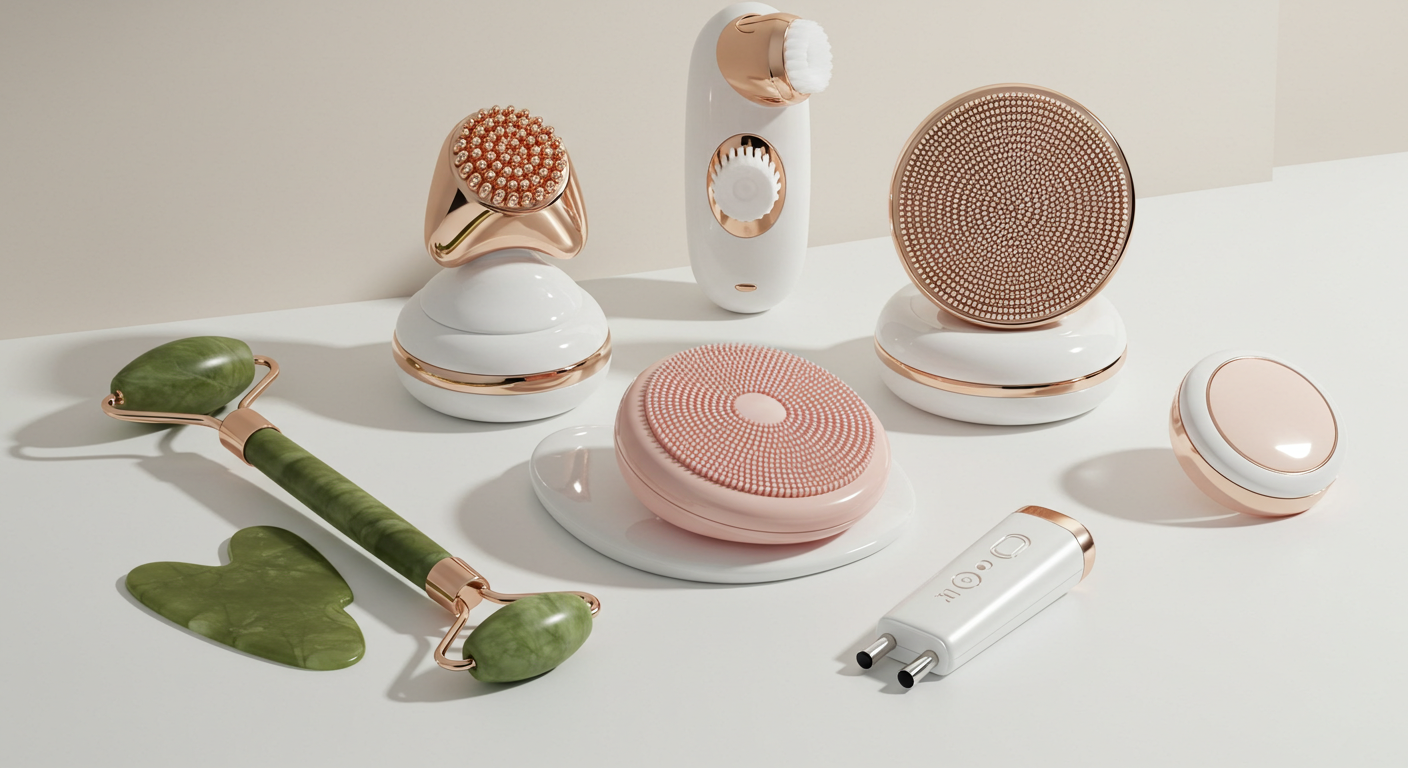
  • 🌺 APR Beauty Devices: Global Growth, Real-World Effects & 2026 Home-Care Trends

    K-Beauty 2026 Device Trends highlight how APR has reshaped the global home-care beauty market through technology, user experience, and product innovation.

    Home-care beauty devices have become one of the fastest-growing categories in the global beauty market from 2022 to 2025.
    Among all Korean companies, APR (medicube Age-R) has shown the strongest worldwide expansion, supported by viral social content, product diversification, and improved skin-tech safety.

    This article summarizes why home-care devices are booming, how APR became a category leader, what the real effects are, and how experts view safety, based on industry reports, global reviews, and technology data.

    “Overall, these insights demonstrate how K-Beauty 2026 Device Trends are shaping consumer expectations globally.”


    1) Why Home-Care Beauty Devices Are Growing

    k beauty 2026 device trends home care illustration

    1. Rising cost and difficulty of clinical treatments

    Dermatology procedures (laser, lifting, tightening) have become more expensive and less accessible.

    Consumers increasingly want professional-style results at home, without the time or cost burden.

    2. Social media “before & after” content

    Platforms like TikTok and Instagram fueled explosive interest, especially among U.S., Japanese, and Southeast Asian consumers.

    Real user outcomes — even mild improvements — create strong purchase motivation.

    3. Technology advancements

    Older at-home devices were often too harsh or inconsistent.
    Recent models improved control over:

    • Microcurrent
    • Radiofrequency
    • Ultrasound
    • LED wavelengths

    This made consistent, low-irritation home-care possible.


    2) APR (medicube Age-R) Global Growth Drivers

    k beauty 2026 device trends home care illustration

    1. Viral global demand

    Age-R posts and reviews repeatedly go viral on TikTok, YouTube, and Amazon review sections — especially in the U.S., Japan, and Southeast Asia.

    APR benefits from community-driven proof, not just advertising.

    2. Multi-device ecosystem

    APR succeeded by expanding across multiple skin concerns:

    CategoryKey Functions
    Lifting/TighteningRF, microcurrent
    Texture/PoresGalvanic, ultrasound
    Firmness/RegenerationLED + RF
    Scalp CareMicrocurrent / vibration

    This broad portfolio reduced dependency on a single hit product.

    3. Device + Ampoule strategy

    Consumers report higher satisfaction when using APR’s dedicated serums or ampoules along with devices.

    K-Beauty’s strong formulation science reinforces APR’s differentiation.


    3) What Effects Do APR Devices Actually Provide?

    Common positive experiences (global reviews)

    • Smoother skin texture
    • Temporary tightening or lifting sensation
    • Better absorption of skincare products
    • Pore visibility improvement
    • LED helping mild redness calming

    What dermatologists generally say

    • Consistent home use can offer mild but noticeable improvements
    • Not a replacement for medical procedures
    • Proper usage and intensity levels are important
    • Safe for most users when following instructions

    Areas of consumer confusion

    • Over-expectation from single-use sessions
    • Misinterpretation of “clinic-level results” (not accurate)
    • Some irritation cases linked to overuse or too-high intensity

    Overall conclusion:
    APR devices deliver light lifting, texture refinement, and enhanced absorption, when used correctly and consistently.


    4) Safety Overview (RF · Microcurrent · LED)

    k beauty 2026 device trends home care illustration
    k beauty 2026 device trends home care illustration
    k beauty 2026 device trends home care illustration

    RF (Radiofrequency)

    Used at significantly lower levels than clinical machines.
    Most APR devices hold standard safety certifications (KC, FCC).

    Microcurrent

    Operates at very mild currents similar to the body’s own bioelectric range.
    Users should simply avoid overuse.

    LED

    Low-level LED is widely considered safe for general cosmetic use.
    Red wavelengths are associated with calming and mild regeneration support.


    5) Outlook for APR in 2026 and Beyond — Based on K-Beauty 2026 Device Trends

    1. North America → Highest growth momentum

    TikTok Shop + Amazon demand continues rising.
    Consumers like pairing retinol + microcurrent/RF.

    2. Japan & China → Opportunity with regulatory easing

    Japan favors low-irritation devices.
    China remains strong in firmness, glow, and premium care.

    3. The rise of the “Home-Care Routine Ecosystem”

    APR is shaping a model where:

    device + ampoule + routine
    becomes a single ecosystem — not just a gadget.

    More global brands are expected to follow APR’s approach.


    ⭐ Conclusion

    APR is no longer just a device company — it is redefining the home-care category itself by merging K-Beauty formulation science with device technology.

    Key takeaways:

    • Offers mild but meaningful effects with consistency
    • Fueled by global user-generated content
    • Builds a multi-device ecosystem
    • Positioned strongly for 2026 global expansion

    Disclaimer

    This article is for general informational purposes only and does not provide medical advice, diagnosis, or treatment.
    Individual skin reactions and device responses may vary.
    Always follow product instructions and consult professionals if uncertain.

    ────────────────────────────

    This article is for informational purposes only and does not constitute medical or professional advice.

  • 🌸 Top Korean Beauty Products Loved by Global Travelers (2026 Edition)

    What different countries really buy – and why

    K-Beauty remains one of the most “planned purchases” for international visitors to South Korea. Beauty retailers, duty-free shops, and pop-up stores have become standard stops in many travel itineraries. While headline statistics are often repeated (for example, claims that a very high share of visitors buy cosmetics during their trip), the more useful insight for creators and brands is this: purchasing patterns are not universal. They vary by country, climate, cultural beauty ideals, and how shoppers evaluate ingredients, textures, and brand trust.

    This guide summarizes 2026-style buying behavior by region and explains the “why” behind each pattern. It is written for readers who want a practical picture of what travelers typically look for in Korea—without making medical claims or promising outcomes. Preferences and results vary by individual.


    How to Read This Report (Simple Method)

    • “What they buy” focuses on product types and formats that repeatedly show up in tourist shopping baskets: toners, serums, moisturizers, masks, cleansers, sunscreens, cushions, and a small set of premium anti-aging categories.
    • “Why they buy it” explains the decision logic: ingredient sensitivity, texture preferences, climate adaptation, gifting culture, and social-media influence.
    • “Where they buy it” highlights typical channels: multi-brand retailers (often the first stop), department stores and duty-free (premium sets), brand flagships (trend-driven buys), and online browsing with offline pickup.

    Where Global Visitors Usually Shop in Korea

    1) Multi-brand retailers (most common)

    Travelers often prioritize one-stop stores with broad selection, abundant testers, and easy tax-refund processes. Multi-brand chains and tourist-dense shopping zones typically become the first stop for “trial and basket building.”

    2) Duty-free and department stores (premium purchases)

    Visitors aiming for prestige skincare often prefer duty-free or department stores where gift sets, limited editions, and premium packaging reduce decision friction.

    3) Pop-ups and brand flagships (trend-driven buys)

    Pop-ups are where social proof matters most. Visitors frequently buy the product they already saw online, then add “in-store discovery” items after sampling textures.

    4) Online browsing, offline pickup (increasingly common)

    Many visitors browse online in advance and purchase in Korea to compare price advantages, obtain limited bundles, and avoid shipping delays.


    Country-by-Country Purchasing Patterns (2026)

    🇯🇵 1) Japan — Soothing, Sensitive-Skin, Low-Irritation Care (Plus Natural Base Makeup)

    What Japanese travelers often buy

    • Centella (Cica) and calming lines
    • Low-irritation toners and lightweight gel creams
    • Simple barrier-support routines (typically 2–4 steps)
    • Natural-finish cushion foundations with “soft coverage”
    • Sheet masks focused on hydration and comfort

    Why this pattern appears

    Japan’s mainstream skincare culture rewards consistency and comfort. Many shoppers prefer products that feel non-disruptive: low fragrance, gentle textures, and routines that do not “shock” the skin. Korean calming lines fit this preference because they often combine light textures with a routine-friendly approach—easy layering, quick absorption, and packaging that encourages daily use.

    Social influence also plays a major role. Korean centella/cica categories are frequently discussed in short-form reviews and ingredient-focused posts, making them a “safe travel purchase” that feels familiar before arriving in Korea.

    What travelers usually compare in-store

    • Toner texture: watery vs. slightly viscous
    • Moisturizer finish: fresh hydration vs. sticky residue
    • Irritation-risk cues: fragrance level, essential-oil presence, and “low irritation” positioning (not a guarantee)

    Commonly purchased brands (examples)

    COSRX, Anua, Mediheal, Laneige, TIRTIR


    🇺🇸 2) United States — Ingredient-Led Actives, Transparent Labeling, and Social-Media “Proof”

    What U.S. travelers often buy

    • Vitamin C brightening serums (often marketed as stabilized or beginner-friendly)
    • Low-irritation retinol products (positioned for gradual use)
    • AHA/PHA exfoliating toners and pads (especially “gentle” variants)
    • Multi-step kits and travel sets (to try a full routine)
    • Sunscreens known for comfortable daily wear
    • Tools/devices marketed for home-care routines (non-medical lifestyle positioning)

    Why this pattern appears

    In the U.S., the shopper journey often begins online. Many visitors arrive already knowing what they want because they saw it on TikTok, YouTube, or ingredient-education content. Korea becomes the best place to buy rather than the place to discover.

    Ingredient transparency is part of the value. Shoppers often look for clear INCI lists, straightforward positioning, and products that fit into existing routines. Broader regulatory discussions (including MoCRA) have also increased consumer attention to safety systems and labeling, strengthening the appeal of “trusted manufacturing and R&D” narratives.

    What travelers usually compare in-store

    • Active type and tolerance positioning: Vitamin C format, retinol strength messaging, exfoliant frequency guidance
    • Packaging practicality: pump vs. dropper; oxidation risk for Vitamin C
    • Routine compatibility: whether the product is designed to layer with other actives

    Commonly purchased brands (examples)

    Beauty of Joseon, COSRX, Medicube, Peach & Lily


    🇨🇳 3) China — Hydration + Glow, Premium Anti-Aging, and Giftability

    What Chinese travelers often buy

    • Hydrating essences and “glow” boosters
    • Premium anti-aging creams and serums
    • Firming and elasticity-focused products
    • Prestige sets and gift boxes (often duty-free bundles)
    • Cushion foundations with luminous finish and refined texture

    Why this pattern appears

    In this segment, premium positioning can be a feature, not a barrier. Glow aesthetics remain highly visible in Chinese beauty content, and many travelers favor products with strong brand identity, heritage storytelling, and department-store credibility.

    Giftability is also a major driver. Premium sets reduce decision fatigue: one box looks complete, premium, and travel-appropriate. This makes heritage Korean brands especially attractive in tourist channels.

    What travelers usually compare in-store

    • Brand tier and retail channel (department store vs. multi-brand store)
    • Set value and limited editions
    • Texture “luxury cues”: rich but not heavy, fast absorption, refined sensory experience (preferences vary)

    Commonly purchased brands (examples)

    Sulwhasoo, Hera, The History of Whoo, Laneige, Dr. Jart+


    🇦🇺 4) Australia — Clean Beauty, Vegan Positioning, and Minimal Routines (Climate-Driven Hydration)

    What Australian travelers often buy

    • Vegan or “clean beauty” positioned skincare
    • Barrier-support serums and moisturizers
    • Minimal routine products (2–3 step systems)
    • Hydration-focused masks for travel recovery
    • Gentle cleansers and non-stripping formulas

    Why this pattern appears

    Sustainability, ingredient clarity, and ethical positioning can be strong purchase motivators in Australia. Many shoppers look for products that feel responsible while still performance-oriented. Korea’s recent emphasis on labeling clarity and multi-benefit formulations aligns well with these preferences.

    Climate matters too. Dry conditions can increase interest in products that support moisture retention and barrier comfort. Visitors often select moisturizers and serums that feel supportive without being overly heavy.

    What travelers usually compare in-store

    • Vegan or sustainability claims (often checked later on brand pages)
    • Moisture feel: nourishing vs. heavy
    • Routine simplicity: whether one product can replace multiple steps

    🇸🇬 🇲🇾 5) Singapore & Malaysia — Lightweight Hydration, Pore Care, and Daily UV

    What Singaporean and Malaysian travelers often buy

    • Lightweight gel moisturizers
    • Sebum-control and pore-refining products
    • Sunscreens designed for daily wear
    • Quick-absorbing toners and essences
    • Makeup that holds up in humidity (light base, long-wear cushions)

    Why this pattern appears

    Hot and humid climates reward breathable products. Many shoppers avoid heavy creams and prefer gels, watery essences, and formulas that sit comfortably under sunscreen and makeup.

    K-Beauty is often viewed as strong in texture engineering—products that feel light yet still deliver a hydrated experience. Sunscreens are especially popular because comfort and wearability are critical for daily use in high humidity.

    What travelers usually compare in-store

    • Finish and feel: matte vs. dewy; non-sticky texture
    • Oil control positioning vs. dehydration risk
    • Sunscreen comfort and layerability (appearance and feel)

    A Practical Traveler’s Checklist (To Avoid Regret Purchases)

    1. Buy formats you can finish. Travel shopping is exciting, but overbuying leads to waste. Prioritize minis and sets for experimentation.
    2. Choose by texture first, then ingredients. Texture is the biggest “use it or abandon it” factor.
    3. Avoid stacking too many actives at once. If you buy Vitamin C, retinol, and exfoliants in one trip, introduce them gradually and avoid using everything immediately.
    4. Take photos of labels and keep receipts. This helps repurchasing and reduces confusion later.
    5. Build a “one routine” basket first. Cleanser + moisturizer + sunscreen is often a better travel foundation than buying multiple overlapping serums.

    Country-by-Country Summary Table

    Country | Preferred categories | Primary decision logic
    Japan | Soothing care, low irritation, natural base | Comfort, routine stability, gentle layering
    United States | Vitamin C, retinol, gentle acids, sunscreen | Ingredient transparency, social proof, routine compatibility
    China | Glow hydration, premium anti-aging, prestige sets | Premium positioning, giftability, brand loyalty
    Australia | Vegan/clean beauty, barrier support, minimal routines | Sustainability, clarity, climate-driven hydration
    Singapore/Malaysia | Gel hydration, pore care, daily UV | Humidity comfort, sebum management, lightweight wear


    Strategic Insights for Creators and Brands (2026)

    1. “Low irritation” is global—but it must be explained. Avoid promising results; explain usage, texture, and routine fit.
    2. Climate often matters more than trend headlines. Texture and comfort are climate-sensitive.
    3. Platforms shape demand before travelers arrive. For many tourists, Korea is the place to buy, not the place to decide.
    4. Tourists remain a critical growth engine. Tourist purchases often convert into repurchases when travelers return home and reorder online.

    FAQ (Tourist-Focused, AdSense-Safe)

    1. Are Korean products “better” than others? Not universally. Many prefer Korean textures and routine design, but fit depends on skin type, climate, and preferences.
    2. Should I buy the same products locals buy? Not always. Tourists often have different climate exposure and routine constraints. Use best-sellers as a starting point.
    3. Can I buy strong actives in Korea and use them immediately? Introduce new actives gradually and avoid combining multiple actives at once.
    4. Are home-care devices medical devices? Many popular items are positioned as lifestyle tools, not medical devices. Classification can vary by market.
    5. What is the most common regret purchase? Buying too many similar items (multiple toners, multiple masks) without testing texture preference.
    6. How do I pick sunscreen as a tourist? Prioritize comfort, layerability, and a finish you can wear daily. If possible, test a small amount in-store.
    7. Do premium brands guarantee better results? Price and premium positioning do not guarantee outcomes. Preferences vary.
    8. Should I trust “low irritation” labels? They can be useful signals, but they are not guarantees. Individual sensitivity varies.
    9. What if I cannot read the label? Take a photo and use a translator app, or ask staff for an English label card when available.
    10. How can I repurchase after returning home? Keep product names and photos, save receipts, and note where you bought them.

    References (External Sources)

    https://www.oliveyoung.com
    https://www.statista.com
    https://www.kotra.or.kr

    Disclaimer

    This article is for general informational purposes only and does not provide medical advice, diagnosis, or treatment. Individual preferences, skin conditions, and product responses may vary. This content is not sponsored.

    This article is for informational purposes only and does not constitute medical or professional advice.

  • 🌺 2026 Olive Young TOP Ingredients: The 7 Benefits Korean Consumers Truly Want

    In recent years, a recurring comment has appeared across Korean beauty communities:
    “Staff didn’t even approach customers.”

    This is not a service failure.
    It is evidence of a structural shift in how Korean consumers shop for beauty.

    By 2026, Olive Young customers are no longer looking for persuasion.
    They arrive with research already done, ingredient knowledge already formed, and expectations shaped by data, routines, and lived experience.

    Modern Korean consumers do not ask, “What should I buy?”
    They ask, “Which formula best fits my skin condition today?”

    This transition explains why ingredient-based decision-making now defines Olive Young’s top-performing categories.

    Below are the seven ingredient benefit groups that most clearly reflect what Korean consumers genuinely want in 2026—not based on hype, but on repeated purchasing behavior.


    1. 🌿 Soothing Ingredients

    Centella Asiatica · Madecassoside

    Why This Category Leads Olive Young Sales

    Soothing ingredients are no longer a “sensitive skin niche.”
    They have become a default baseline.

    Several structural factors drive this dominance:

    • Increased environmental stress (fine dust, seasonal temperature swings)
    • Higher rates of skin sensitivity across all age groups
    • Overexposure to actives in previous skincare cycles
    • Frequent cosmetic procedures among 20s–40s consumers

    Centella-based products are not purchased as treatment.
    They are purchased as insurance.

    What Consumers Expect

    🧴 Reduced redness and visible irritation
    🧴 Faster recovery after daily stress
    🧴 A feeling of comfort rather than stimulation

    Importantly, consumers do not expect instant transformation.
    They expect predictable stability.

    Soothing ingredients win because they rarely cause regret.


    2. ✨ Brightening Ingredients

    Vitamin C · Niacinamide

    How Brightening Has Changed in 2026

    Brightening no longer means whitening.
    It means clarity without irritation.

    Korean consumers now avoid:

    • Aggressive tone-up claims
    • High-percentage formulas with unstable results
    • Short-term brightness followed by rebound dullness

    Instead, they gravitate toward stabilized systems.

    2026 Brightening Preferences

    🍋 Vitamin C derivatives with reduced oxidation risk
    💧 Niacinamide at moderate, skin-compatible levels
    🧴 Products safe for use alongside treatments or procedures

    Consumer Goals

    • More even tone over time
    • Reduced appearance of pigmentation
    • A natural, rested complexion rather than visible brightness

    Brightening succeeds when it blends into routine, not when it demands attention.


    3. 🧱 Skin Barrier Care

    Ceramides · Panthenol

    Why Barrier Care Is No Longer Optional

    One of the most common self-described Korean skin conditions is:

    “Oily on the surface, dry inside.”

    This paradox has driven a widespread understanding of the skin barrier concept, even among non-expert consumers.

    Barrier damage is now associated with:

    • Makeup instability
    • Increased sensitivity
    • Poor response to active ingredients

    Why Ceramides and Panthenol Matter

    🧴 Ceramides reinforce lipid structure
    🧴 Panthenol supports recovery and hydration retention

    These ingredients are chosen not for visible results, but for long-term reliability.

    Expected Benefits

    • Smoother texture
    • Reduced reactivity
    • Improved tolerance to other products

    Barrier care is the quiet backbone of Korean skincare in 2026.


    4. 🧬 Retinol

    Low-Irritation Anti-Aging

    Retinol’s Image Has Shifted

    Retinol is no longer perceived as harsh or intimidating.
    That shift occurred only because low-irritation formulations became widely available.

    In 2026, retinol adoption expands due to:

    • Improved encapsulation technologies
    • Lower, consistent dosing
    • Clear usage education

    Who Is Buying Retinol Now

    👩 Ages 20s–30s: prevention and texture control
    👩‍🦱 Ages 30s–40s: firmness and early aging management

    Consumer Expectations

    • Gradual firmness improvement
    • Texture smoothing
    • Minimal peeling or downtime

    Retinol now fits into routine skincare, not special treatment phases.


    5. 🔗 Peptides

    Firming Without Aggression

    Why Peptides Are Rising

    Peptides benefit from a key positioning advantage:
    they are seen as functional yet gentle.

    Consumers often choose peptides when they want:

    • Anti-aging support
    • Improved elasticity
    • No risk of irritation

    Why Peptides Appeal in 2026

    💗 Compatible with sensitive skin
    💗 Easy to layer with other products
    💗 Suitable for daily use

    Peptides are rarely dramatic.
    That is precisely why consumers trust them.

    Expected Benefits

    • Skin that feels firmer
    • Improved moisture retention
    • A subtle sense of strength rather than stimulation

    Peptides fit the 2026 preference for quiet performance.


    6. 🔄 Gentle Exfoliating Ingredients

    AHA · PHA · LHA

    The Decline of Harsh Exfoliation

    Scrubs and aggressive acids are no longer mainstream in Korea.

    Consumers now associate harsh exfoliation with:

    • Barrier damage
    • Makeup inconsistency
    • Increased sensitivity

    Instead, controlled resurfacing has become standard.

    Why Toner Pads Remain Popular

    🧴 Controlled dosage
    🧴 Easy daily use
    🧴 Even application

    Expected Benefits

    • Smoother skin texture
    • Better foundation adherence
    • Reduced dullness without redness

    Exfoliation now supports makeup performance, not just skin renewal.


    7. ❄️ Cooling & Soothing Systems

    Aloe · Tea Tree · Chamomile

    Why These Ingredients Never Disappear

    Cooling ingredients persist because they solve immediate, universal discomfort.

    Korean climate conditions include:

    • Hot, humid summers
    • Dry winters
    • Frequent indoor temperature changes

    Cooling ingredients provide instant relief without commitment.

    Why They Pair Well With Devices

    🧴 Used alongside LED masks
    🧴 Applied after home-care treatments
    🧴 Chosen for post-exercise or post-sun routines

    Expected Benefits

    • Immediate cooling sensation
    • Lightweight hydration
    • Reduced heat-related irritation

    These ingredients succeed because they feel intuitive.


    ⭐ Summary

    What Korean Consumers Truly Want in 2026

    Across all seven categories, a consistent pattern emerges.

    Korean consumers increasingly prioritize:

    🧴 Ingredient transparency
    🧴 Low-irritation effectiveness
    🧴 Barrier-first logic
    🧴 Gradual, cumulative results
    🧴 Simple routines grounded in skin science

    The success of Olive Young in 2026 is not driven by novelty.
    It is driven by predictability, trust, and functional comfort.

    Comfort is no longer secondary.
    It is the core value.


    🔗 References

    https://www.oliveyoung.com
    https://www.kotra.or.kr


    ⚠️ Disclaimer

    This article provides general informational content only and does not offer medical advice, diagnosis, or treatment.
    Individual responses may vary depending on skin type, condition, and usage habits.

    This article is for informational purposes only and does not constitute medical or professional advice.

  • 🌺K-Beauty 2026 Trends: What Korean Consumers and Global Visitors Are Buying

    K-Beauty in 2026 is being shaped by three interconnected forces that are redefining both domestic demand and global purchasing behavior. These shifts are not driven by hype alone, but by changes in consumer expectations, travel patterns, and how beauty routines are practiced at home.

    🔍 The three key forces shaping K-Beauty in 2026

    • 💗 Changing skincare needs of Korean consumers, with stronger emphasis on skin barrier health and long-term maintenance
    • 🌏 Purchasing patterns of foreign visitors, influenced by climate, culture, and platform-driven discovery
    • 🧴 The rapid rise of home-care beauty devices, positioned as routine-enhancing lifestyle tools

    Together, these factors define the next wave of global K-Beauty, where ingredient science, texture experience, and daily usability matter more than short-term visual impact.


    1. 🧴 K-Beauty 2026 Trends: What Olive Young Best Sellers Reveal

    Large multi-brand retailers continue to offer a reliable snapshot of real consumer demand. Best-selling products in 2026 highlight how Korean consumers are moving toward gentler, more sustainable skincare choices that fit into daily routines.


    🧴 Barrier Repair & Low-Irritation Care

    Korean consumers increasingly prioritize skincare that supports long-term barrier health rather than products that promise dramatic, immediate results.

    🌿 Core priorities observed in 2026

    • 🍃 Calming ingredients designed to address redness and sensitivity
    • 💗 Lightweight but sufficient hydration suitable for daily layering
    • 🧴 Barrier-focused care that emphasizes consistency over intensity

    This shift reflects a broader understanding that skin comfort and stability are essential foundations for any effective skincare routine.


    🧴 Active Ingredient Serums (Vitamin C & Retinol)

    Interest in active ingredients continues to grow, but with a clear preference for controlled, low-irritation formulations rather than aggressive treatments.

    🧪 Most in-demand actives include

    • 🍃 Stabilized Vitamin C formulations positioned for gradual brightening
    • 💗 Low-irritation retinol products suitable for regular use
    • 🧴 Serums focused on improving pigmentation balance and skin texture

    This trend illustrates the rise of evidence-based, results-oriented skincare, where consumers expect transparency, clarity, and realistic performance.


    🧴 Lightweight & Layerable Textures

    Texture has become a deciding factor in repeat purchases. Products that integrate smoothly into multi-step routines consistently outperform heavier alternatives.

    ✨ Texture preferences emphasize

    • 🍃 Fast absorption without residue
    • 🧴 Hydration that feels comfortable rather than occlusive
    • 💗 Compatibility with makeup and layered skincare routines

    The popularity of layerable textures highlights how Korean consumers value flexibility and daily usability over one-step solutions.


    2. 🌏 What Foreign Visitors Buy in Korea — by Country

    Foreign visitors account for a significant share of K-Beauty retail sales. While many travelers shop in the same stores, what they buy varies noticeably by region, driven by climate, beauty ideals, and how products are discussed online.


    🇯🇵 Japan: Natural Glow & Texture Refinement

    Japanese shoppers tend to favor products that enhance skin appearance subtly, without overwhelming the skin.

    🌸 Common preferences include

    • 🍃 Lightweight moisturizing products
    • 💗 Soft, natural-looking radiance
    • 🧴 Gentle texture-refining skincare

    These choices align with a broader preference for comfort, refinement, and understated results.


    🇺🇸 United States: Ingredients & Transparency

    U.S. consumers often arrive with strong pre-existing product knowledge shaped by digital platforms.

    🔎 Key priorities observed

    • 🍃 Clear and accessible ingredient lists
    • 🧴 Low-irritation formulas positioned for routine compatibility
    • 💗 Products validated through social platforms such as TikTok and YouTube

    Trust is built through transparency, education, and consistent messaging rather than brand heritage alone.


    🌴 Southeast Asia: Tone-Up & Cooling Care

    In hot and humid climates, comfort and freshness strongly influence purchasing decisions.

    🌿 Popular features include

    • 🍃 Cooling gel-based textures
    • 💗 Light hydration suitable for frequent reapplication
    • 🧴 Tone-up effects that enhance brightness without heaviness

    These products are often chosen for daily wear and climate adaptability.


    🌙 Middle East: Deep Moisturization & Premium Anti-Aging

    Shoppers from Middle Eastern markets often seek richer formulations and premium positioning.

    🌌 Preferred categories include

    • 🍃 Rich creams and nourishing balms
    • 💗 Premium anti-aging serums
    • 🧴 High-strength active formulations positioned for intensive care

    Texture richness and perceived value play a central role in these purchasing patterns.


    3. 🧴 Home-Care Devices in K-Beauty 2026 Trends

    Home-care beauty devices continue to grow as an accessible option for consumers seeking routine-based skincare enhancements without professional procedures.


    🏠 What Home-Care Devices Are (Simple Explanation)

    These tools are designed for at-home use and are not classified as medical devices. They are typically used to complement existing skincare routines rather than replace topical products.

    🔧 Common device types include

    • 🧴 Microcurrent tools
    • 💗 Radiofrequency-inspired devices
    • 🍃 LED light masks
    • 🧴 Ultrasonic and vibration-based tools

    📊 What Market Data Suggests

    Available data points to sustained interest rather than short-lived novelty.

    📈 Key indicators include

    • 🍃 Strong quarterly sales growth
    • 💗 Rising demand from overseas markets
    • 🧴 Expansion of bundled “device + skincare” systems

    This pattern suggests a structural shift in how consumers approach home skincare routines.


    🛡️ How to Communicate Effects Safely

    Responsible communication remains essential when discussing device usage.

    🧾 Commonly reported experiences include

    • 🧴 Softer-feeling skin
    • 💗 Temporary firmness
    • 🍃 Improved absorption of skincare products

    Recommended phrasing:

    “Some users report improvements, but results vary based on skin type and usage habits.”


    4. ⭐ Key Takeaways for 2026

    The evolution of K-Beauty in 2026 reflects broader changes in consumer behavior and expectations.

    🔑 Key insights include

    • 🧴 Ingredient science increasingly drives purchase decisions
    • 🌏 Global demand continues to diversify by region and climate
    • 💗 Home-care devices are becoming a normalized part of daily routines

    Brands that successfully integrate skin science, consumer insight, and at-home technology are best positioned to lead the next phase of global K-Beauty.


    🔗 References (External Authority Links)

    📌 Related Posts (Internal Link Placeholder)

    • Coming soon: Global Tourist Beauty Purchasing Patterns
    • Coming soon: Olive Young 2026 Trend Analysis

    ⚠️ Disclaimer

    This post is for general informational purposes only and does not provide medical advice, diagnosis, or treatment. Individual skin conditions and responses may vary. This content is not sponsored.


    This article is for informational purposes only and does not constitute medical or professional advice.
  • 🌸 2025 Best Korean Toners for Glowing Skin (Complete Guide)

    The Complete K-Beauty Editorial Guide

    2025 Best Korean Toners for Glowing Skin are one of the easiest ways to start if your goal is hydrated, glass-like skin.
    In this complete guide to the 2025 best Korean toners for glowing skin, we’ll explore what makes them special, how to choose the right one for your skin type, and the most effective ways to use them in your routine.


    • 📚 Table of Contents
    • 🔹 What Makes Korean Toners Special?
      🔹 Why You Should Use a Korean Toner
      🔹 Best Korean Toner Types in 2025
      🔹 How to Choose the Right Toner
      🔹 How to Use a Korean Toner Properly
      🔹 How Your Toner Fits Into a Full K-Beauty Routine
      🔹 Buyer’s Guide: What to Check Before Purchasing
      🔹 FAQ
      🔹 Final Thoughts

    ⭐ What Makes Korean Toners for Glowing Skin Special?

    K-beauty toners stand out because they focus on nourishment—not harsh stripping. They deliver three powerful benefits:

    Deep Hydration — layers lightweight moisture into the skin for instant comfort

    🛡️ Barrier Support — strengthens the skin with ingredients like ceramides, panthenol, and probiotics

    🌿 Prep-Step Boost — improves absorption of serums and essences, making the rest of your routine work better

    Together, these features make Korean toners ideal for all skin types, especially dehydrated or dull skin.

    💧 Why You Should Use a Korean Toner for Glowing Skin

    Korean toners offer multiple skin benefits beyond simple hydration:

    🌸 Restores moisture balance after cleansing
    🌸 Improves skin texture with gentle refining ingredients
    🌸 Supports long-term radiance
    🌸 Creates the perfect base for your next skincare steps

    A toner isn’t just a “nice-to-have”—it can transform the way your entire routine performs.


    🧴 Best Korean Toner Types in 2025 for Glowing Skin

    Rather than focusing on specific products, here are the top-performing toner categories that define 2025’s K-beauty trends.

    💗 Hydrating Toners

    Perfect for dry or dehydrated skin

    • Hyaluronic acid blends
    • Ceramide-rich formulas
    • Beta-glucan or soothing botanical waters

    🍃 Exfoliating Toners

    Ideal for oily, textured, or congested skin

    • AHA / PHA gentle exfoliators
    • Low-percentage BHA
    • Green tea or tea tree clarifying toners

    🌼 Soothing Toners

    Great for sensitive or irritated skin

    • Centella asiatica
    • Panthenol
    • Allantoin
    • Low-irritation barrier-support ingredients

    🌟 How to Choose the Right Toner for Your Skin

    💦 Dry Skin → Choose richer hydrating formulas with hyaluronic acid, ceramides, or squalane-infused waters.

    🍋 Oily Skin → Select lightweight watery toners or mild exfoliating types to control excess oil.

    🌗 Combination Skin → A balanced hydrating toner with gentle refining ingredients works best.

    🌱 Sensitive Skin → Look for alcohol-free, fragrance-free, centella or panthenol-based formulas.

    Your skin should feel comfortable and refreshed—not tight—after applying toner.

    🧖‍♀️ How to Use a Korean Toner the Right Way

    ✨ Apply right after cleansing
    ✨ Use your hands or a cotton pad—both methods are effective
    ✨ Pat gently until absorbed
    ✨ Follow with essence → serum → moisturizer
    ✨ Limit exfoliating toners to 2–3 times per week

    A toner should feel effortless—light, refreshing, and never heavy.


    🌈 How Your Toner Fits Into a Full K-Beauty Routine

    Here’s a simple routine that maximizes glow:

    1️⃣ Cleanser
    2️⃣ Toner
    3️⃣ Essence or Serum
    4️⃣ Moisturizer
    5️⃣ Sunscreen (AM only)

    Perfect Pairings

    💗 Dry Skin → hydrating essence + ceramide cream
    🍃 Oily Skin → niacinamide serum + gel moisturizer
    🌱 Sensitive Skin → centella serum + panthenol cream

    A well-paired routine amplifies your toner’s effectiveness dramatically.


    🛍️ Buyer’s Guide: What to Check Before Purchasing

    ✨ Your skin type
    ✨ Ingredient list (hydration, soothing, or exfoliation focus)
    ✨ Alcohol or fragrance levels if you’re sensitive
    ✨ Texture preference (watery vs. slightly viscous)
    ✨ Seasonal needs (lighter in summer, richer in winter)

    A toner should feel like it belongs in your routine—not forced.


    ❓ FAQ

    Are Korean toners safe for daily use?
    Yes—hydrating and soothing toners can be used twice daily. Exfoliating toners should be limited.

    Do toners actually help with glow?
    Absolutely. They enhance hydration, texture, and product absorption, all of which contribute to radiance.

    Is toner the same as essence?
    No. Toner preps and hydrates; essence targets deeper concerns and boosts overall glow.

    Can oily skin use hydrating toners?
    Yes—lightweight watery toners help balance oil production without clogging pores.

    When you choose from the 2025 best Korean toners for glowing skin and pair them with a simple routine, the long-term improvement in radiance and hydration can be dramatic.


    🌸 Final Thoughts

    Korean toners are more than just a refreshing step—they’re a foundation for glowing, healthy skin.
    With consistent use and the right formula for your skin type, they boost hydration, smooth texture, and help every product after them perform better.

    If you’re ready to build a complete routine, explore the full guide below:
    👉 K-Beauty Skincare Routine for Glowing Skin (2025 Complete Guide)

    If you’re interested in scientific research on skincare ingredients, you can browse peer-reviewed studies on PubMed, a major medical literature database.

    https://pubmed.ncbi.nlm.nih.gov/


    ⭐ Disclaimer
    This article summarizes general, publicly available information for educational purposes only.
    It does not make performance, medical, or functional claims about specific beauty products.

    To understand how these trends translate into daily routines, explore our K-Beauty Skincare Routine 2025.


    This article is for informational purposes only and does not constitute medical or professional advice.